Building And Pest Inspections Caboolture And Surrounding Region
Buying in Caboolture, Caboolture South or Upper Caboolture? Zoom BPI provides licensed building and pest inspections in Caboolture and across the Moreton Bay region. We check every accessible area and deliver your report within 24 hours, so you can negotiate with confidence or walk away knowing why.
24hr
Report Turnaround
500+
Happy Clients
100%
Licensed & Insured
QBCC Licensed
24 Hour Reports
Thermal Imaging
MBA QLD Member
Fixed Pricing
The Caboolture Suburbs We Do Inspections In
Caboolture and its surrounding suburbs make up one of south-east Queensland’s most varied property corridors. You’ll find older homes in the town centre, newer estates through Caboolture South and Morayfield, coastal homes at Beachmere and acreage out toward Upper Caboolture and Dayboro. Our Caboolture building inspections cover every suburb below.
Don’t see your suburb? Call Ben on 0481 826 856. If it’s north of the river, we will cover it.
Pre-Purchase Building and Pest Reports in Caboolture
Not every pre-purchase inspection is the same. The right building inspection in Caboolture depends on the property and how you’re buying. Here are the four reports you can order before buying your biggest investment.
Residential Building & Timber Pest Inspection Report
AS 4349.1 + AS 4349.3
The gold standard for Queensland home buyers. One visit and one report covering building defects and timber pests together. It’s the report we recommend for most pre-purchase inspections in Caboolture. See our pricing here

Pre-Auction Inspection Report
AS 4349.1 + AS 4349.3
Bidding at auction? Once the hammer falls, you’re unconditionally committed. There’s no cooling-off period, no inspection clause and no walking away. Book a pre-auction inspection before auction day, because after is too late.

Pre-Purchase Standard Property Report
AS 4349.1
Building only and is typically for new homes and apartments in body corporate-managed buildings. New construction has had limited termite exposure, and apartment buyers are only responsible for their internal lot.

Pre-Purchase Standard Timber Pest Report
AS 4349.3
Pest Only for properties with a documented history of termite treatment or an active pest management program. Confirms whether previous treatment has been effective or the risk has been adequately managed.

Ready to Book Your Inspection?
Protect your property with a professional building and pest inspection. Contact us today to get started.
Our Pre Purchase Pricing
$390
1 bedroom and 1 bath $390
2 bedroom 2 bath $440
$550
4 bedrooms 2 bath $550
Additional rooms POA
Every Inspection Includes:
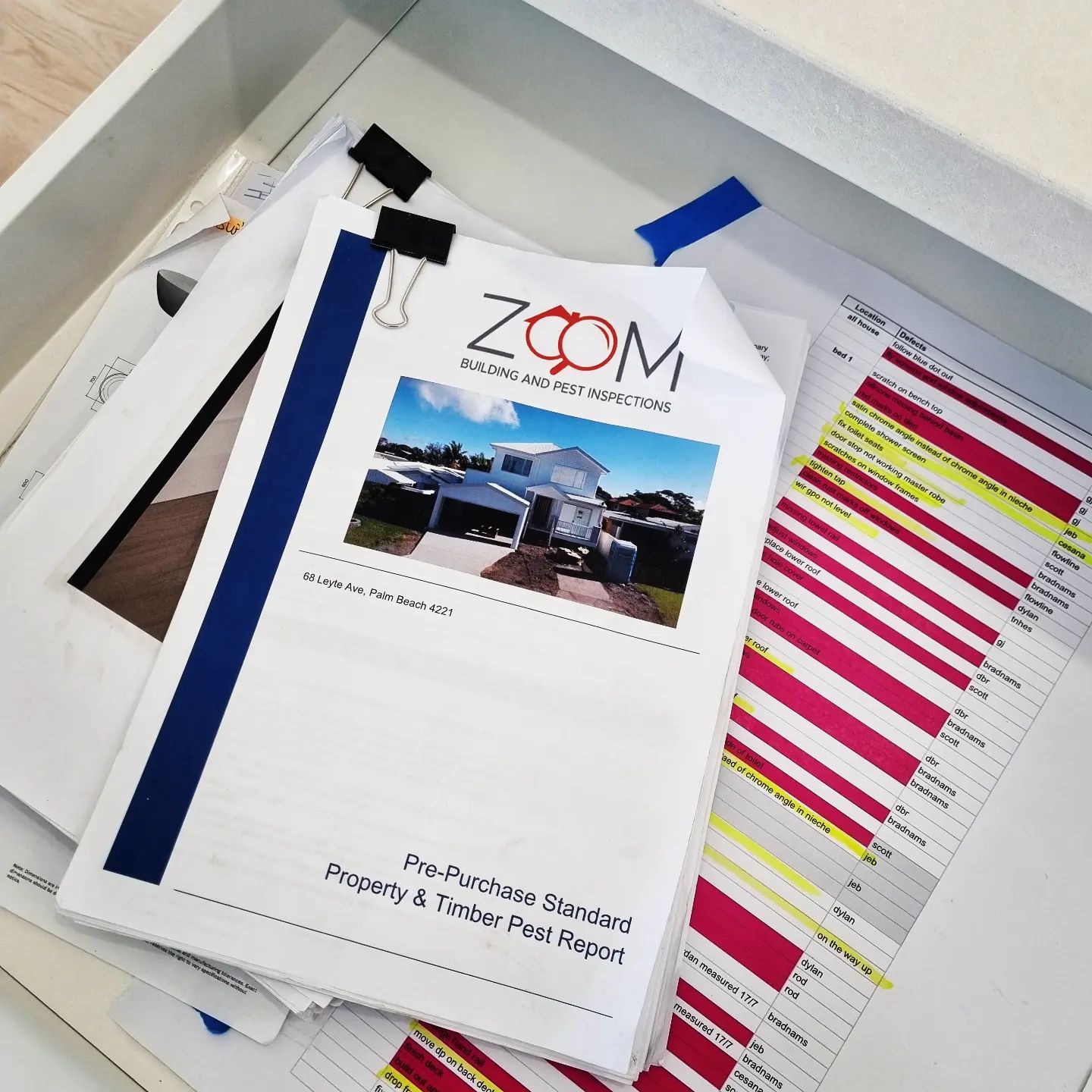
Thermal Imaging Camera, T3i Moisture Meter, Termatrac, Drone Roof Inspection
We use the same professional-grade equipment on every inspection regardless of property size or price point.




What makes Caboolture Region different and housing stock
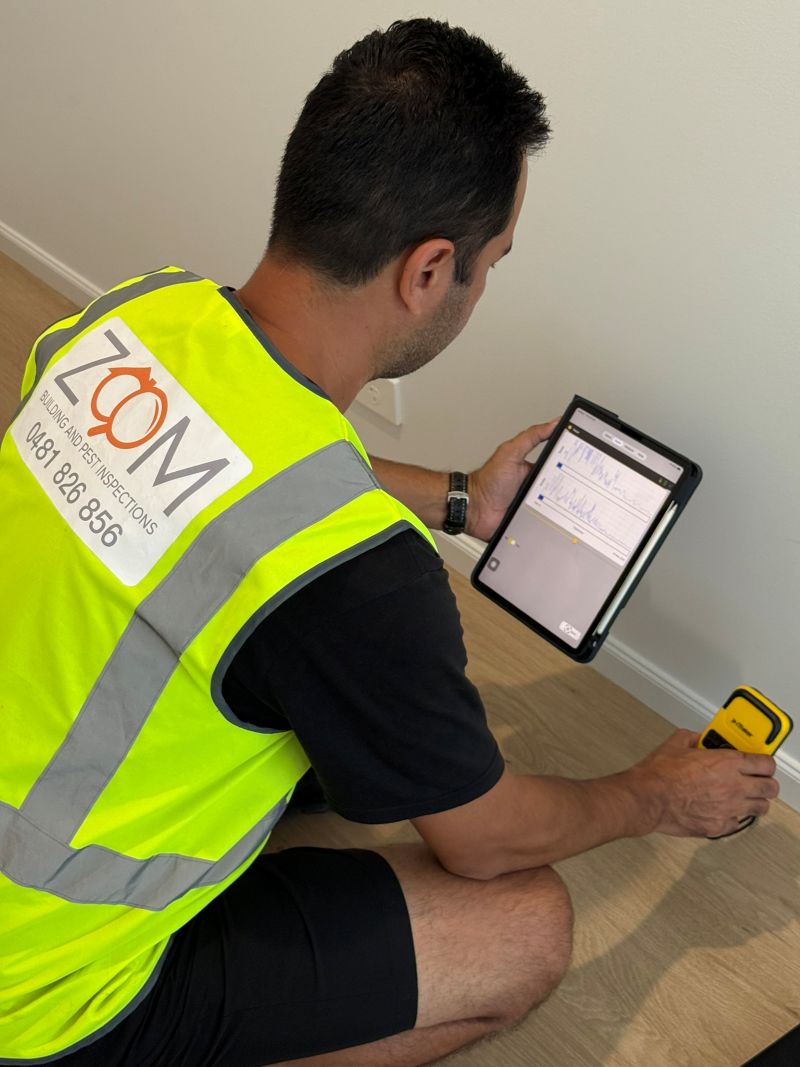
Caboolture isn’t like the suburbs closer to Brisbane. The property mix is broader: established homes on larger lots, acreage, coastal homes, newer estates and town centre housing dating back to the 1970s. Each type has its own inspection priorities, and each buyer is asking a different question.
The region also sits at the edge of south-east Queensland’s high termite pressure zone. Homes backing onto bushland, creek corridors or mature trees carry extra risk. Add timber framing and moisture-prone soils, and a thorough pest inspection is essential, not optional.
Housing stock across the Caboolture corridor
- Established Caboolture town:
The older parts of Caboolture contain 1970s to 1990s housing, much of it timber-framed on stumps or older slab. Expect age-related defects such as deteriorated stumps, older electrical, galvanised plumbing and DIY additions that may not have been approved or built to standard. Deferred maintenance compounds at this age, so a minor drainage issue from ten years ago may now be structural. - Caboolture South, Morayfield and Bellmere:
Mostly 1990s to 2010s construction, with brick lowsets and timber-framed homes on estates built as the corridor grew south. Drainage and moisture are the most consistent focus areas, especially where estate earthworks have settled unevenly. Buying further south? See our building and pest inspection Morayfield page. - Burpengary:
Burpengary sits at the southern entry to the corridor, with a mix of older established homes and newer infill. Burpengary Creek flood mapping affects parts of the suburb, so check your property against the MBRC planning map before settlement. Older homes here carry similar defects to established Caboolture stock. - Upper Caboolture, Dayboro and acreage:
Upper Caboolture and Dayboro are semi-rural markets with larger lots, older homes and properties that haven’t always had regular professional maintenance. Acreage needs extra attention on water tanks, septic systems, outbuildings and rural infrastructure that don’t feature in suburban inspections. Bushfire risk is real in parts of this area. - Newer estates:
Development continues through Caboolture South and Morayfield, and new homes aren’t exempt from defects. Waterproofing failures, incomplete works, non-compliant drainage and tie-down issues show up regularly in homes under ten years old. Handover inspections and building stage inspections are especially relevant here.
Council overlays worth checking
The Caboolture region falls under Moreton Bay Regional Council. Flood mapping, bushfire overlays and vegetation management constraints vary significantly across the corridor, a rural property on the edge of Dayboro has a very different overlay profile to a new townhouse in Caboolture South.
Check your specific property using the MBRC interactive planning map before settlement. Your solicitor can also arrange a formal council search.
Overlays, what sellers conceal, negotiation
Caboolture falls under the City of Moreton Bay (formerly Moreton Bay Regional Council). Flood mapping, bushfire overlays, coastal hazard areas and vegetation rules vary a lot across the corridor. An acreage block near Dayboro has a very different overlay profile to a new townhouse in Caboolture South or a low-lying home in Beachmere. Check your property on the Moreton Bay interactive planning map before settlement. Your solicitor can also arrange a formal council search.
- Freshly painted subfloor timbers: new paint on stumps, bearers or joists is a common sign that termite damage or moisture-related decay was dealt with before listing. In a 30-year-old home, a freshly painted subfloor deserves close attention.
- New paint on ceilings and walls: thermal imaging picks up moisture behind fresh paint applied over water stains from roof leaks or plumbing failures. A freshly painted interior in an older home isn’t always a selling point.
- Gardens planted against the base of the house: raised garden beds or heavy mulch against timber stumps or brick cladding trap moisture and hide deterioration at the base of the structure. They can also give termites a hidden way in.
- Recently replaced sections of wall lining or cladding: inconsistent materials, fresh patches in otherwise aged fibro or weatherboard, or new gyprock in a single room of an older home all warrant a closer look at what’s behind them.
- Neat presentation on DIY additions: a freshly painted pergola or carport doesn’t mean it was built to standard or with council approval. We note visible signs of unpermitted work in every report.
What this means for your negotiation
A termite find in structural framing, stumps that need replacing or a roof at the end of its life all carry big repair costs. In Caboolture’s older homes, these findings aren’t unusual. That cost belongs in your negotiation before settlement, not in your bank account after it.
Once you’ve read the report, Ben walks you through every significant finding. He’ll also tell you whether a specialist quote is worth getting before you decide to go ahead.
We Use These Tools For Our Reports
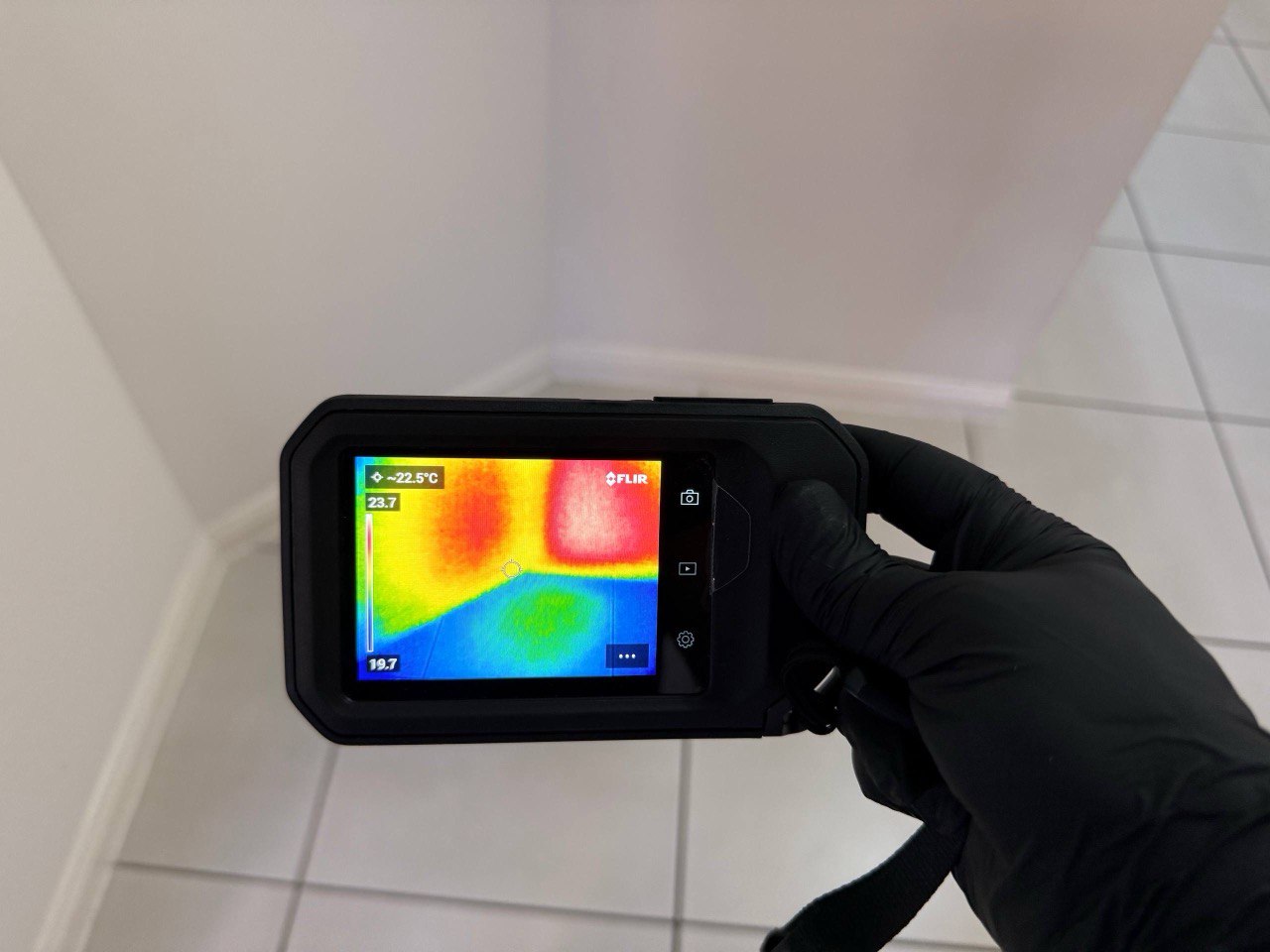
Thermal Imaging Camera
Detects temperature differences behind wall surfaces, picking up hidden moisture and conditions consistent with termite activity.
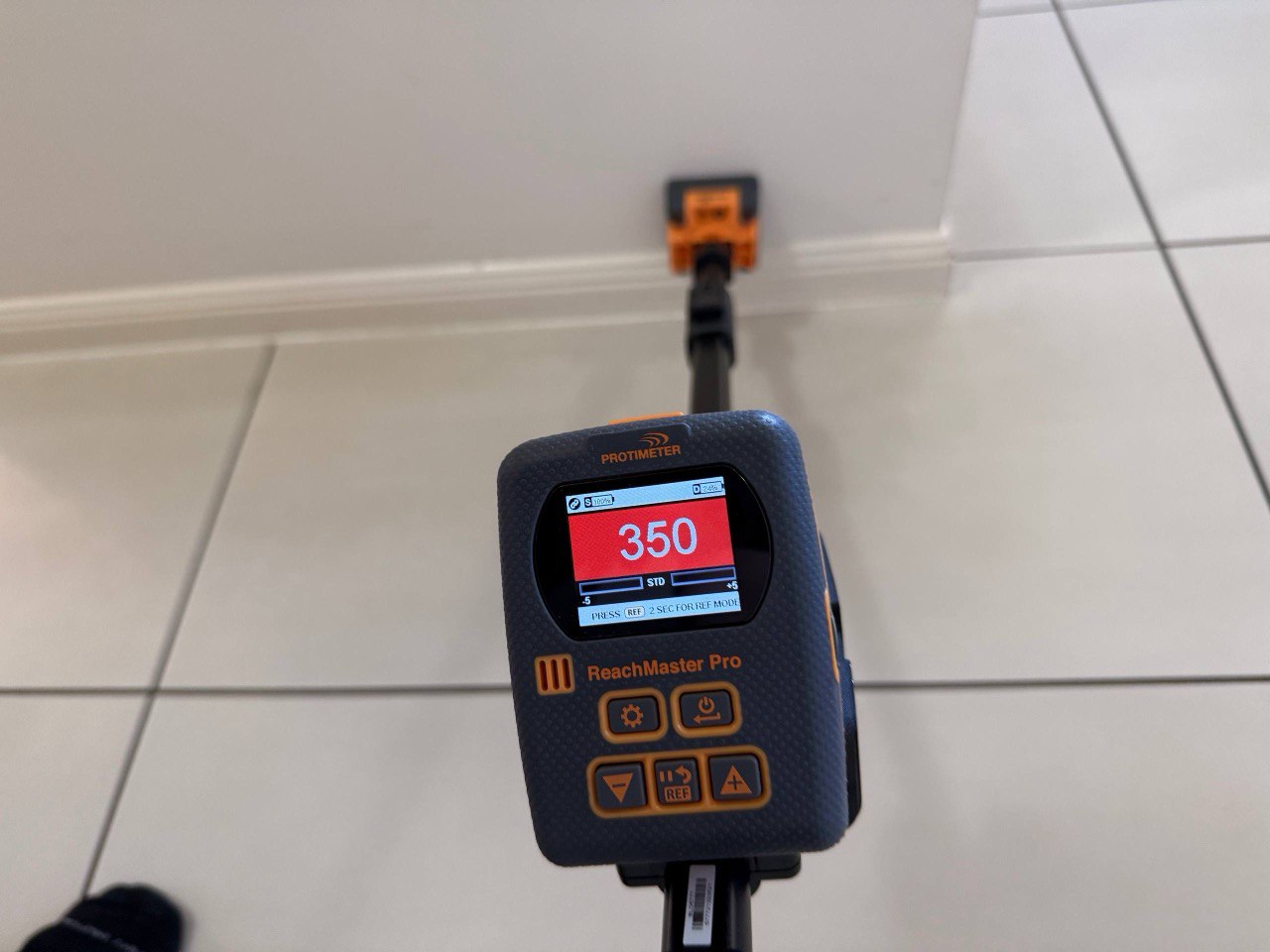
T3i Moisture Meter
Quantifies moisture readings in wall linings, floors and framing to distinguish active from historical moisture ingress
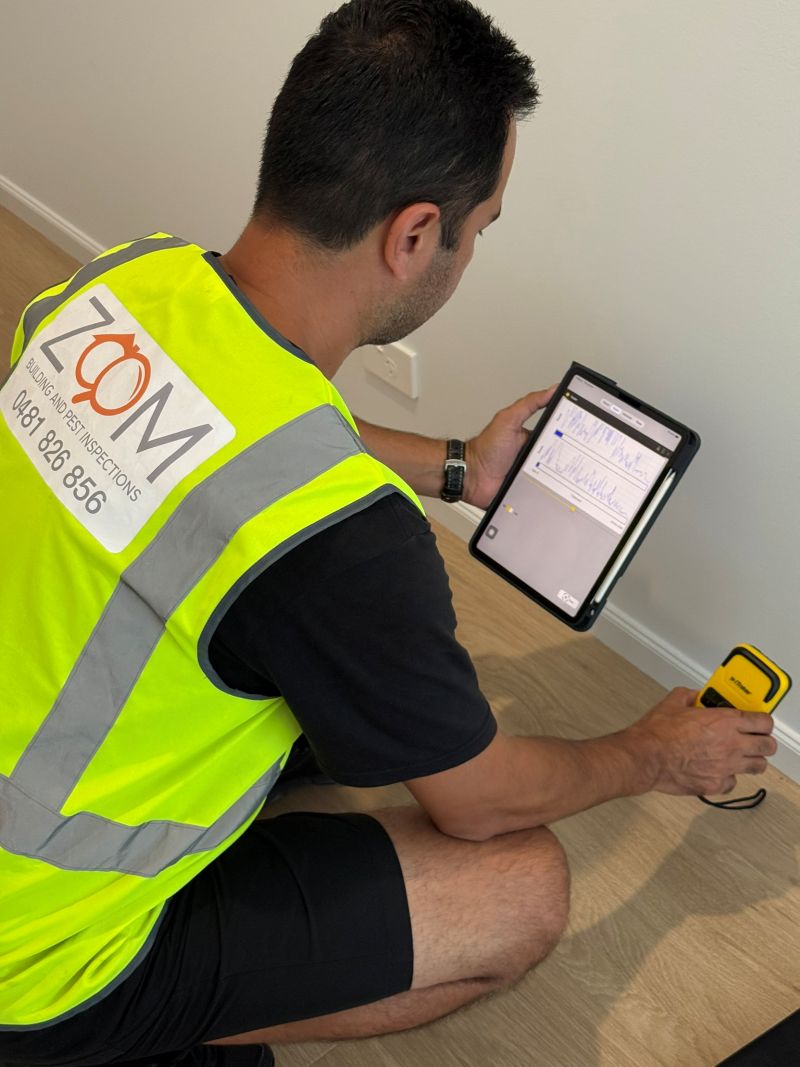
Termatrac
Radar-based detection that identifies termite movement behind wall surfaces without physical intrusion
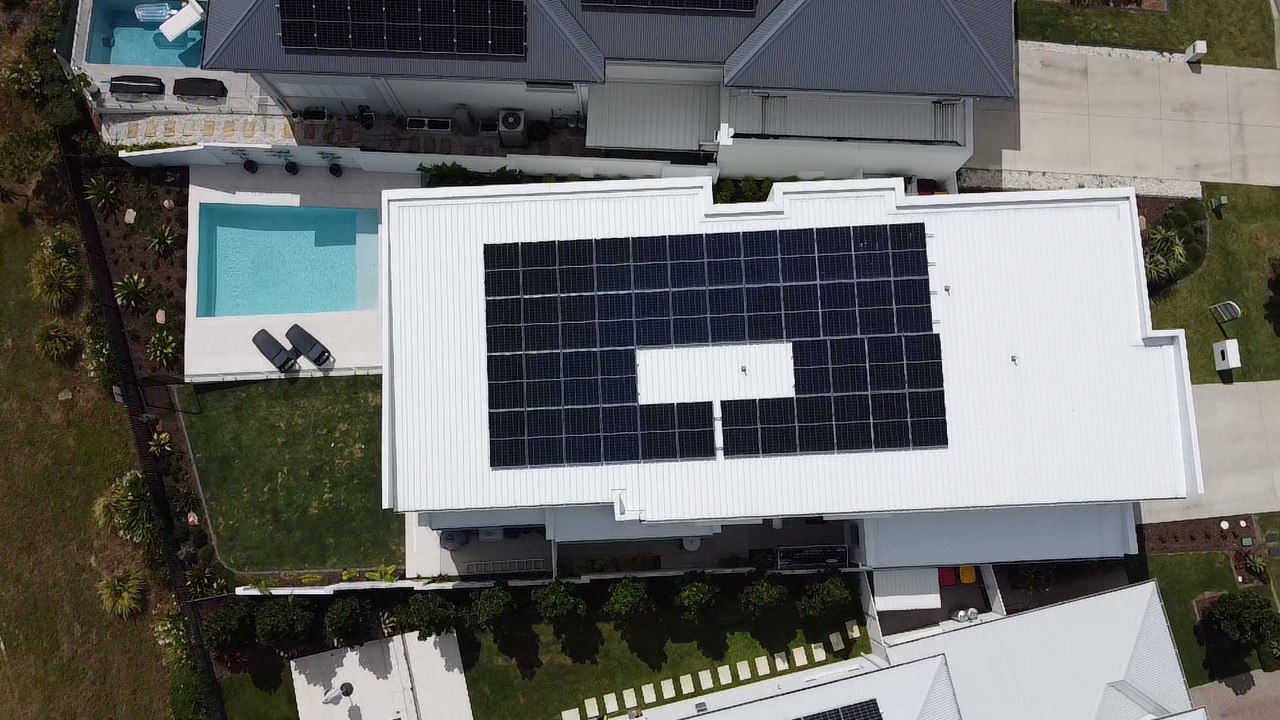
Drones
High-resolution aerial view of the full roof structure, gutters and drainage, covering areas no ladder can safely reach
Properties We Inspect Across Brisbane

Freestanding Homes
Full structural, pest and moisture inspection covering all accessible areas including roof space and subfloor. For Queenslander homes, subfloor access is important – stump deterioration and subfloor termite activity are among the most common findings in this property type.
⚠ Key risk: Termite activity, stump deterioration, concealed moisture

Units & Apartments
We inspect the internal lot and all accessible common areas, identifying defects affecting your individual property and the shared structure. Waterproofing failure in wet areas is the most frequently identified major defect in post-2000 apartment construction.
⚠ Key risk: Waterproofing failures, water penetration from above

New Builds & Handovers
New construction is not exempt from defects. Waterproofing failures, incomplete works, non-compliant tie-downs and drainage issues appear regularly in handover inspections. We inspect before you accept the keys – while rectification is still the builder’s obligation, not yours.
⚠ Key risk: Waterproofing, tie-down compliance, incomplete works

Commercial Properties
Offices, warehouses, retail spaces and mixed-use buildings. We assess structural condition, identify maintenance liabilities and note compliance concerns to inform your purchase or lease decision before you’re legally committed.
⚠ Key risk: Structural capacity, drainage, maintenance liabilities.

Heritage Homes
Properties built before 1990 carry elevated risk – asbestos-containing materials, deteriorated stumps, galvanised plumbing and higher termite activity in timber frames. With extensive experience with heritage homes, we know where these properties require closest attention.
⚠ Key risk: Asbestos, stumps, termites, galvanised plumbing.

Townhouses & Duplexes
We inspect all accessible areas including common walls, rooflines, subfloor and shared drainage. For properties in body corporate schemes, we note common property concerns and recommend a strata report where the condition of shared areas is a significant concern.
⚠ Key risk: Common wall moisture, shared drainage failures.
Ready to Book Your Inspection?
Protect your property with a professional building and pest inspection. Contact us today to get started.
Contact Us
Get In Touch
Contact our team today to arrange a professional building and pest inspection for your property.
Caboolture Building and Pest Inspection FAQ’s
Got a question?
Find answers to common questions about our building and pest inspection services.