Building And Pest Inspection Brisbane
Buying a property in Brisbane?
Before you sign, you need to know exactly what you’re getting.
We inspect every accessible area and deliver your report within 24 hours, so you can negotiate with confidence or walk away knowing why.
24hr
Report Turnaround
500+
Happy Clients
100%
Licensed & Insured
QBCC Licensed
24 Hour Reports
Thermal Imaging
MBA QLD Member
Fixed Pricing
Pre Purchase Building & Pest Reports
Not all pre-purchase inspections are the same, and the right report depends on the property and how you’re buying.
Here’s the 4 reports that you can have before buying your largest investment
Residential Building & Timber Pest Inspection Report
AS 4349.1 + AS 4349.3
The gold standard for Queensland home buyers. One inspection, one report, covering both building defects and timber pests in a single visit. This is the report we recommend for the overwhelming majority of pre-purchase inspections. See our pricing here
Pre-Auction Inspection Report
AS 4349.1 + AS 4349.3
Bidding at auction? Once the hammer falls you’re unconditionally bound, no cooling-off period, no inspection clause, no walking away. This inspection happens before you bid, because after is too late.

Pre-Purchase Standard Property Report
AS 4349.1
Building Only and is typically for new homes and apartments in body corporate managed buildings. New construction has had limited termite exposure, and apartment buyers are only responsible for their internal lot.
Pre-Purchase Standard Timber Pest Report
AS 4349.3
Pest Only For properties with a documented history of termite treatment or an active pest management program. Confirms whether previous treatment has been effective or the risk has been adequately managed.
Ready to Book Your Inspection?
Protect your property with a professional building and pest inspection. Contact us today to get started.
Our Pre Purchase Pricing
$390
1 bedroom and 1 bath $390
2 bedroom 2 bath $440
$550
4 bedrooms 2 bath $550
Additional rooms POA
Every Inspection Includes
We use the same professional-grade equipment on every inspection regardless of property size or price point — no upgrades, no extras.
|
Tool |
What It Does |
|---|---|
|
Thermal Imaging Camera |
Detects heat differential behind wall surfaces, identifying concealed moisture and conditions consistent with termite activity |
|
T3i Moisture Meter |
Quantifies moisture readings in wall linings, floors and framing to distinguish active from historical moisture ingress |
|
All-Sensor Technology |
Radar-based detection that identifies termite movement behind wall surfaces without physical intrusion |
|
Drone Roof Inspection |
High-resolution aerial view of the full roof structure, gutters and drainage — covering areas no ladder can safely reach |
Are Building &Pest Inspections Really That Important?
A building and pest inspection is a professional visual assessment of a property’s condition, carried out by a qualified and licensed inspector before you finalise a purchase. In Queensland, it is the primary due diligence tool available to buyers, and for most buyers, it is the most important professional advice they will receive in the entire transaction.
Buyer Beware
The legal principle of caveat emptor, buyer beware, applies in full to Australian property transactions above $40,000. This means the responsibility for identifying defects before purchase sits entirely with the buyer, not the vendor.
Vendors are required to disclose certain matters under Queensland property law, but they are not required to volunteer information about building defects they haven’t disclosed.
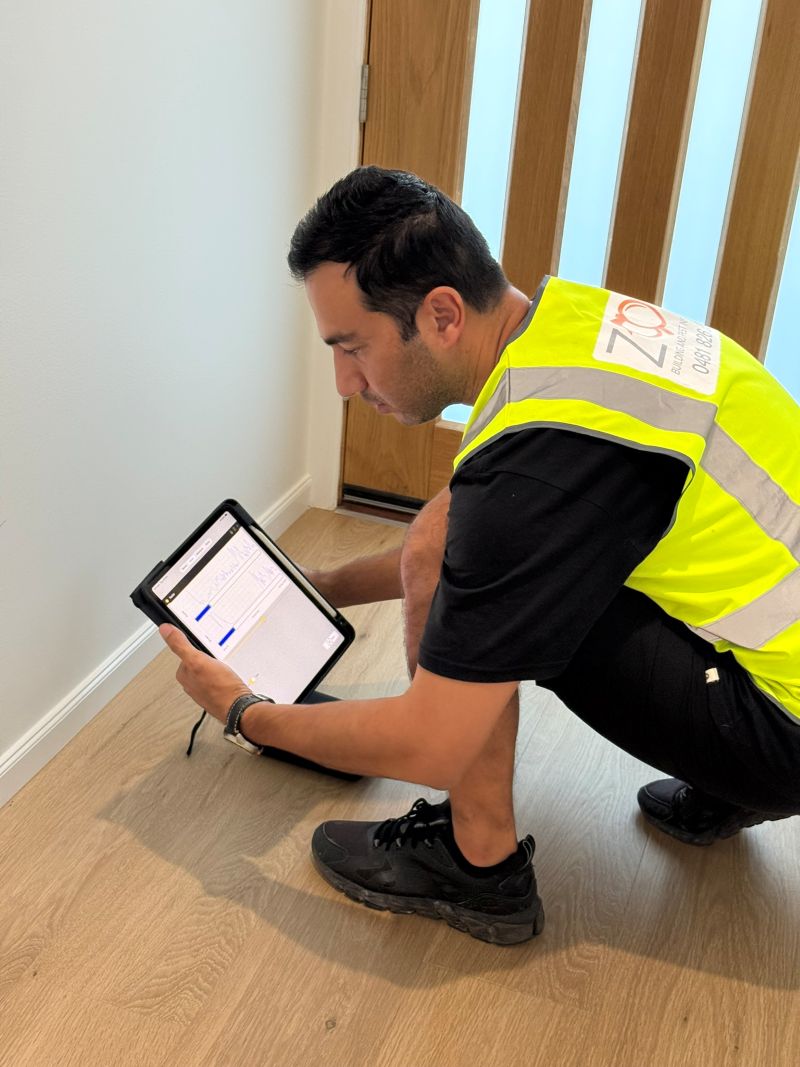
At Zoom BPI, we act independently of all parties to the transaction.
What Is a Building &Pest Inspection?
There are technically two separate inspections involved. The building inspection assesses the structural condition and general state of the property — foundations, roof framing, walls, floors, drainage, and the condition of fixed elements including windows, doors, wet areas and electrical switchboards (visible condition only). It is conducted in accordance with Australian Standard AS 4349.1.
The pest inspection assesses for the presence of timber pests, primarily termites, including active infestations, evidence of previous damage, and site conditions that increase the risk of future attack.
It is conducted in accordance with AS 3660.2.
We conduct both inspections in a single visit and this is standard practice for pre-purchase due diligence in Queensland.
The findings from each inform the other, moisture issues found during the building inspection, for example, are directly relevant to termite risk.
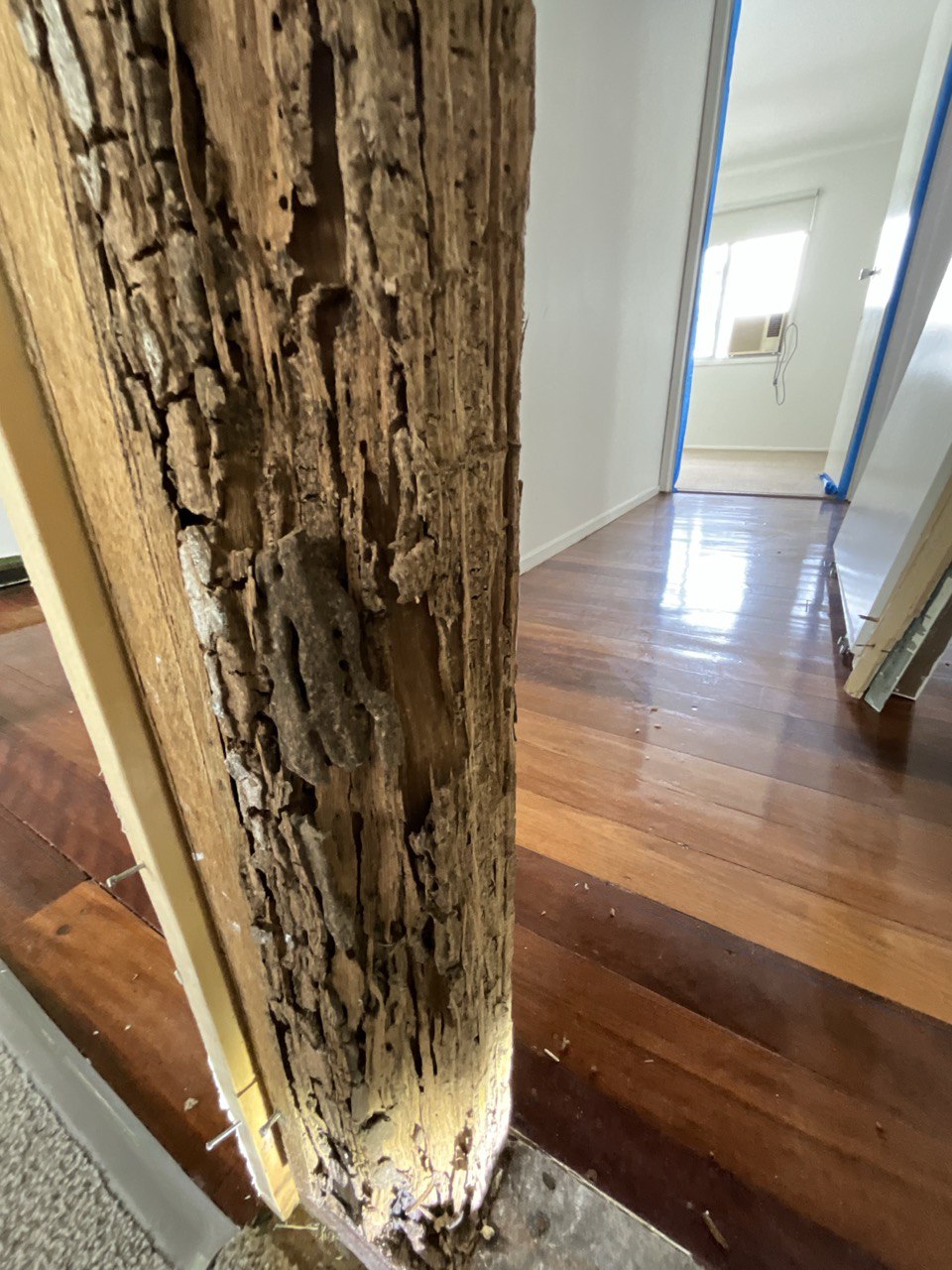
We Use These Tools For Our Reports
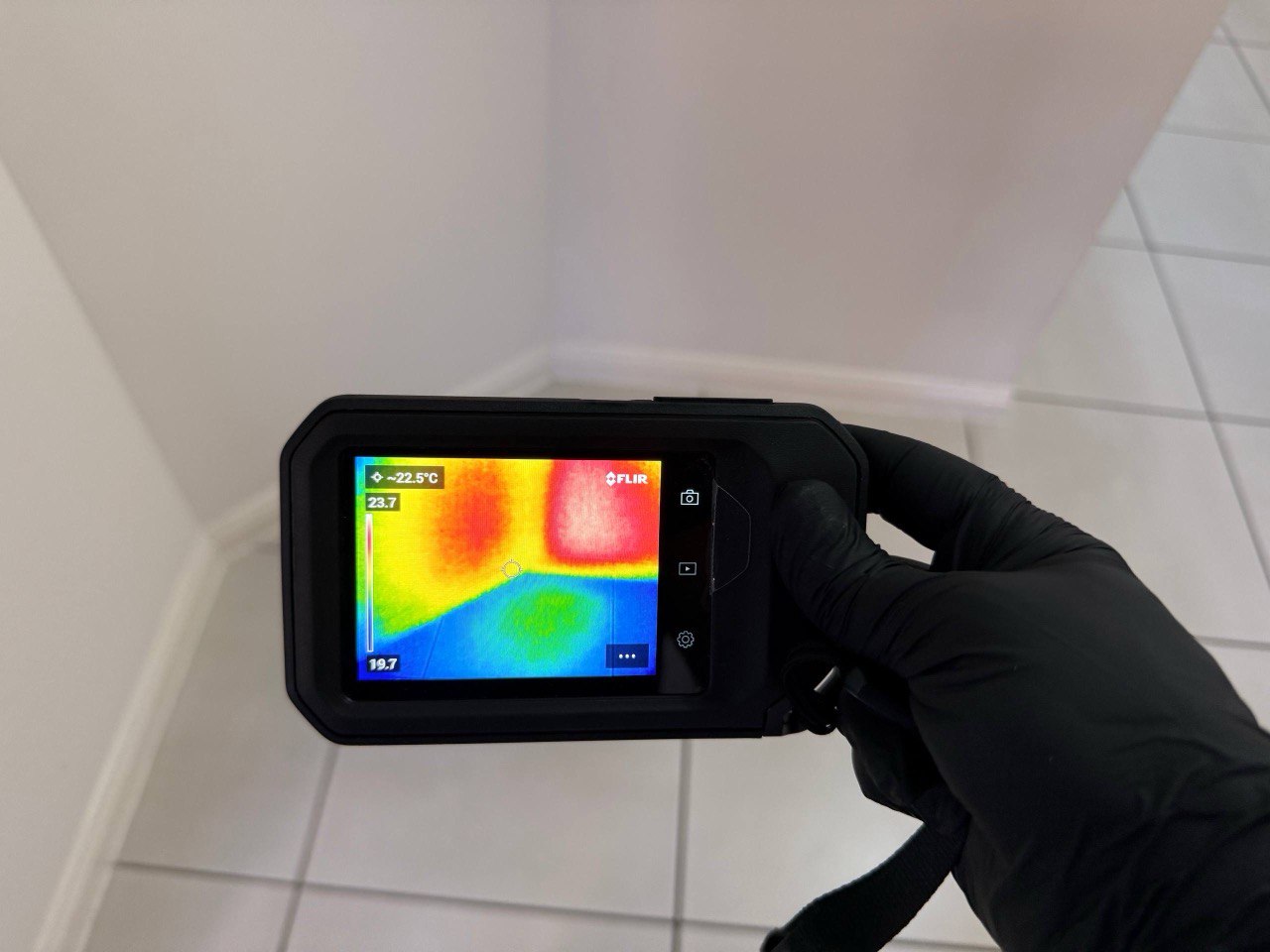
Thermal Imaging Camera
Detects heat differential behind wall surfaces, identifying concealed moisture and conditions consistent with termite activity
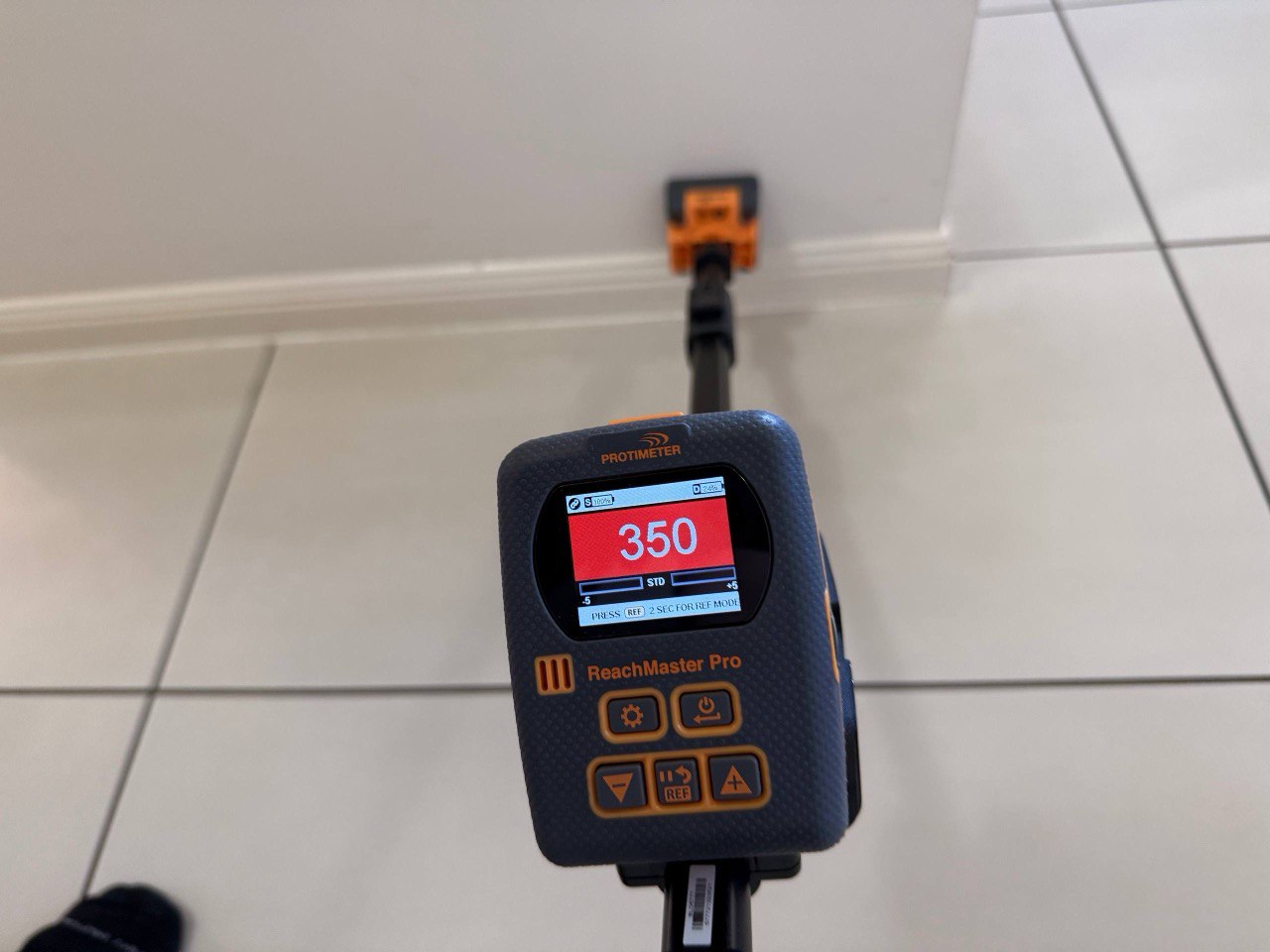
T3i Moisture Meter
Quantifies moisture readings in wall linings, floors and framing to distinguish active from historical moisture ingress
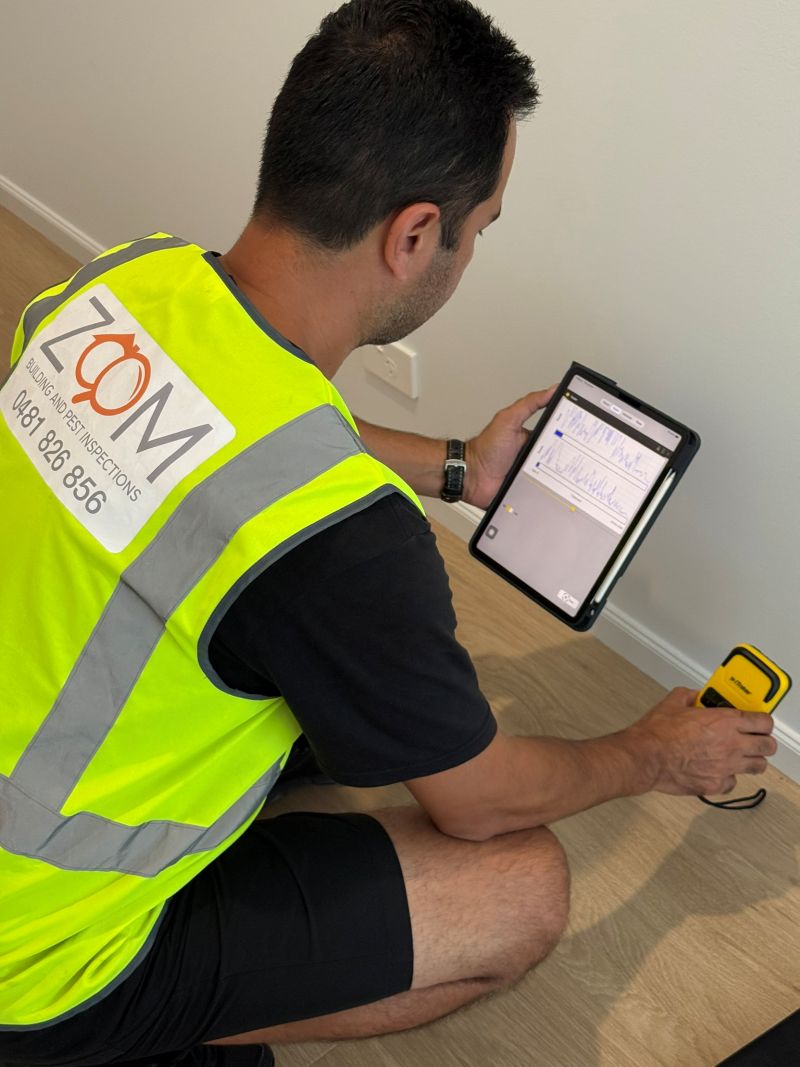
Termatrac
Radar-based detection that identifies termite movement behind wall surfaces without physical intrusion
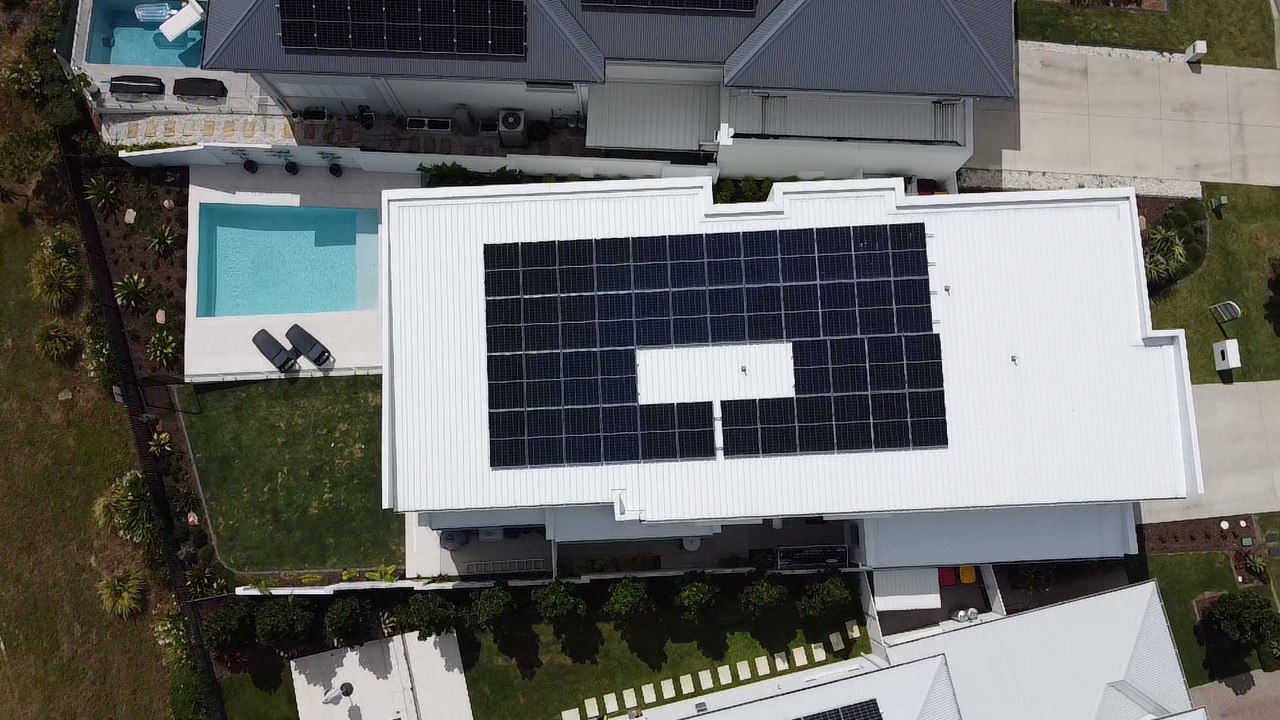
Drones
High-resolution aerial view of the full roof structure, gutters and drainage — covering areas no ladder can safely reach
We Do Building & Pest Inspections For
Whatever the property type, our inspectors have the experience and equipment to give you an accurate, complete picture of what you’re buying.

Houses & Freestanding Homes
Full structural, pest and moisture inspection covering all accessible areas including roof space and subfloor. For Queenslander homes, subfloor access is especially important — stump deterioration and subfloor termite activity are among the most common major findings in this property type.
⚠ Key risk: Termite activity, stump deterioration, concealed moisture

Units & Apartments
We inspect the internal lot and all accessible common areas, identifying defects affecting your individual property and the shared structure. Waterproofing failure in wet areas is the most frequently identified major defect in post-2000 apartment construction.
⚠ Key risk: Waterproofing failures, water penetration from above
New Builds & Handovers
New construction is not exempt from defects. Waterproofing failures, incomplete works, non-compliant tie-downs and drainage issues appear regularly in handover inspections. We inspect before you accept the keys — while rectification is still the builder’s obligation, not yours.
⚠ Key risk: Waterproofing, tie-down compliance, incomplete works
Commercial Properties
Offices, warehouses, retail spaces and mixed-use buildings. We assess structural condition, identify maintenance liabilities and note compliance concerns to inform your purchase or lease decision before you’re legally committed.
⚠ Key risk: Structural capacity, drainage, maintenance liabilities.

Older & Heritage Homes
Properties built before 1990 carry elevated risk — asbestos-containing materials, deteriorated stumps, galvanised plumbing and higher termite activity in untreated timber frames. We have extensive experience with older Queensland construction and know where these properties require closest attention.
⚠ Key risk: Asbestos, stumps, termites, galvanised plumbing.

Townhouses & Duplexes
IWe inspect all accessible areas including common walls, rooflines, subfloor and shared drainage. For properties in body corporate schemes, we note common property concerns and recommend a strata report where the condition of shared areas is a significant concern.
⚠ Key risk: Common wall moisture, shared drainage failures.
Ready to Book Your Inspection?
Protect your property with a professional building and pest inspection. Contact us today to get started.
Don’t Rely on the Vendor or the Agent For Property Information
This is not a commentary on the ethics of any individual agent or vendor. It is a structural observation about the transaction: both the vendor and the agent have a direct financial interest in achieving the highest possible sale price, and neither is required to volunteer information about building defects.
Vendors in Queensland are required to disclose certain matters — encumbrances, easements, notices — but there is no general obligation to disclose building defects they are aware of, provided they don’t actively misrepresent the property’s condition.
Patch repairs to conceal defects before sale are not illegal, and they are Way Too common.
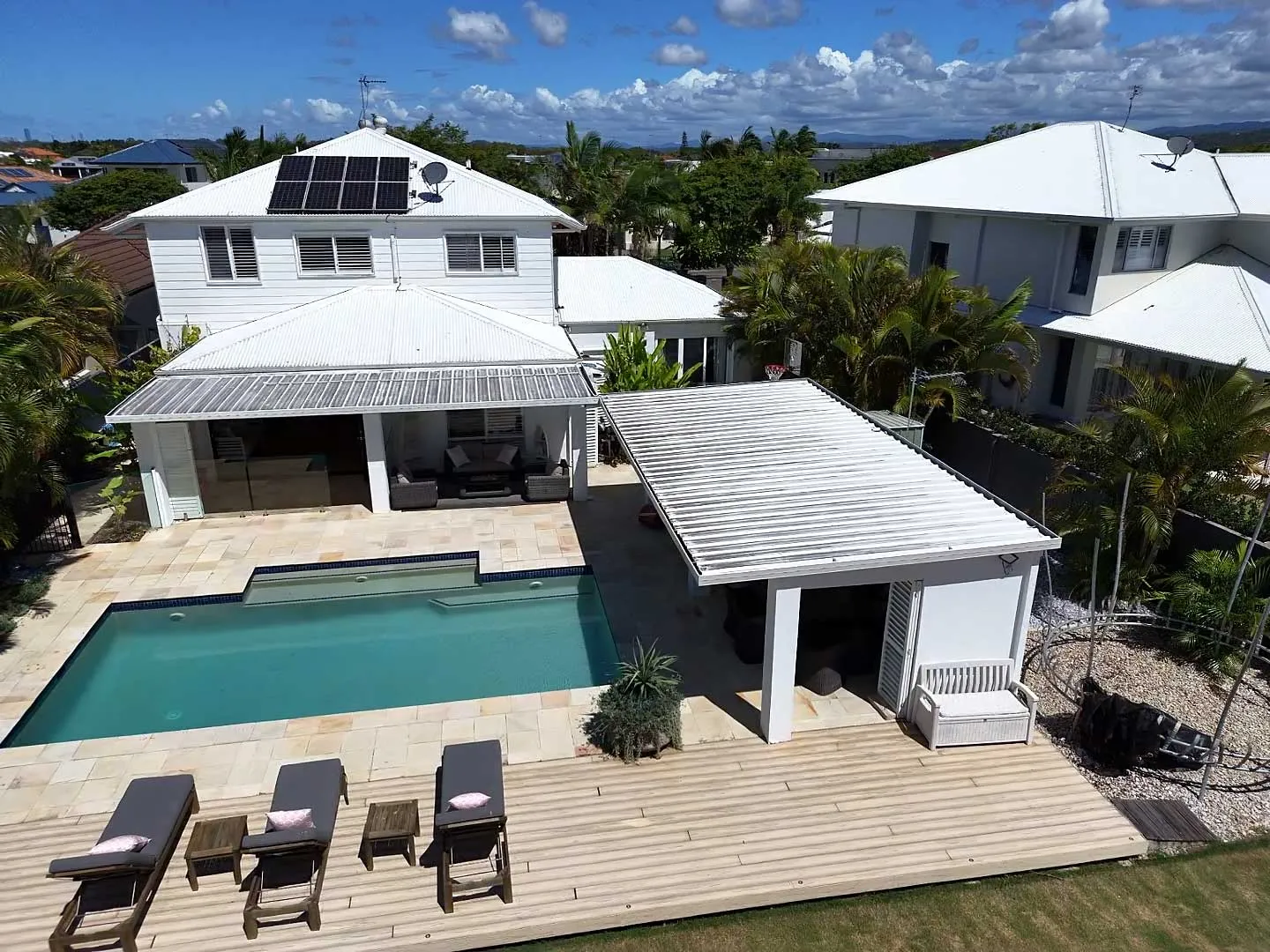
New paint over water-stained ceilings. Freshly re-grouted shower tiles over a failed membrane. Garden beds placed over cracked footings. Subfloor access screws that haven’t been touched in years but the hatch has been freshly painted.
A good building inspector knows what to look for and where.
Getting an independent inspection, one where the inspector has no financial interest in whether you buy or what you pay, is the only way to get an objective assessment of a property’s condition.
Fresh paint over water staining
new ceiling or wall paint applied specifically to areas with active or previous moisture ingress. Thermal imaging and moisture meters identify the underlying issue.
Re-grouted tiles over failed waterproofing
shower recesses with fresh grout but elevated moisture readings in adjacent wall linings. The membrane beneath has failed; the grout is cosmetic.
Patched termite damage
timber sections replaced or filled, often without treatment, with no disclosure of previous activity. Evidence includes inconsistent timber species, fresh filler in wall linings, and new sections in otherwise aged framing.
Landscaping over foundation issues
garden beds, mulch and ground cover placed against and over cracked or displaced footings. Subfloor access reveals what the garden conceals.
Unpermitted additions presented as original construction
additions built without council approval that don’t match the original building in materials, workmanship or structural connection.
What to Do After You Receive the Report
The report is information. What you do with it determines its value. Here are the four paths available to you and how to think through each one.
Proceed Unconditionally
If the report identifies only minor defects consistent with the age and type of the property, and you are satisfied with the condition, you can proceed to settlement without further negotiation. Most pre-purchase inspections don’t uncover deal-breakers — they uncover clarity.
Negotiate on Price or Repairs
Major defects identified in the report provide documented grounds to request a price reduction equivalent to the estimated cost of rectification, or to require specific repairs as a condition of completing the sale. Your inspector can advise on the relative severity of findings and provide estimated repair cost ranges to support your negotiation. This is how most buyers use their inspection reports.
Get Specialist Quotes Before Deciding
For significant findings — major structural defects, active termite activity, waterproofing failures — it is worth obtaining quotes from relevant tradespeople before deciding whether to proceed or negotiate. A structural engineer’s assessment of a cracked footing, or a pest management company’s termite treatment quote, gives you hard numbers to negotiate with rather than estimates.
Exercise Your Contract Condition and Walk Away
In Queensland, standard REIQ contracts include a building and pest inspection condition that allows buyers to terminate within the agreed due diligence period if findings are unsatisfactory. If the defects are severe, an agreement on price or repairs cannot be reached, or the overall condition of the property is simply not what you want to take on — exercising this condition is a legitimate and sometimes correct outcome. The inspection cost is the cost of knowing.
A Note on Negotiation Strategy
The most effective way to use inspection findings in a negotiation is to focus on major defects and their estimated cost of rectification, not the total number of items in the report.
A report with 40 minor items and no major defects is a very different document to one with 8 items including 3 major defects.
When preparing to negotiate, it is worth asking your inspector to walk through the report with you and identify which findings are most significant, what trade is required to address each one, and what a reasonable cost estimate would be. This conversation, which we provide at no additional charge — often determines how a negotiation is framed.
Your solicitor or conveyancer advises on the legal mechanism.
Your inspector advises on the technical findings and their severity. Your real estate agent may facilitate the negotiation, but their primary obligation is to the vendor. Keep those roles clear.
Ready to Book Your Inspection?
Protect your property with a professional building and pest inspection. Contact us today to get started.
Defect Categories Under AS 4349.1
Every finding in our report is assigned one of four defect categories defined by Australian Standard AS 4349.1. This gives you an immediate, consistent indication of severity — so you know what needs urgent attention, what is a maintenance item and what is a safety risk requiring action before anyone occupies the property.
The categories below are not Zoom BPI’s own classifications — they are the nationally recognised defect taxonomy from AS 4349.1. Using a standard classification means your report has legal standing and is directly comparable to other AS 4349.1 compliant reports.
Reports that don’t reference AS 4349.1 use whatever classification the individual inspector chooses — which means “major” in one report may not mean the same thing as “major” in another.
Major Structural Defect
AS 4349.1 — Highest Severity
A defect of significant magnitude in a structural element, where rectification must be carried out urgently to avoid unsafe conditions or further significant deterioration. These findings require immediate professional assessment and are the most serious category in any report.
Major Non-Structural Defect
AS 4349.1 — Significant Defect
A defect of significant magnitude that does not affect the structural integrity of the building, but requires rectification by a qualified tradesperson. These findings commonly form the basis of price negotiations and contract conditions.
Minor Defect
AS 4349.1 — Maintenance Item
A maintenance issue that should be addressed in due course to maintain the property, but which does not pose an immediate risk to the structure or occupants. Owning property involves ongoing maintenance — minor defects are a normal part of any inspection report.
Safety Hazard
AS 4349.1 — Immediate Action Required
Items posing an immediate safety risk to occupants, requiring urgent attention regardless of all other findings. Safety hazards are reported separately and prominently in every report to ensure they are not missed in the broader findings.
What Building and Pest Inspections Do Not Cover
A building and pest inspection is a thorough visual assessment conducted in accordance with AS 4349.1. It is not an engineering report, not a trade inspection and not a compliance audit.
Understanding what falls outside the scope helps you arrange the right additional checks before settlement.
“We include this section because we’d rather set accurate expectations than have a client feel their inspection missed something it was never designed to cover.”

Our 3-Step Building & Pest Inspection Process
Book Your Inspection
Call us or fill in our quick online form. Provide the property address and your preferred time. We confirm your booking, coordinate access with the selling agent, and send you everything you need to know before the day. We work around your contract deadlines — not the other way around.
We Inspect the Property
Your qualified inspector arrives on time and conducts a thorough assessment of all accessible areas — roof space, subfloor, all internal rooms, external walls, drainage and surrounding site. We use a FLIR thermal imaging camera on every inspection to detect moisture, insulation gaps and conditions indicative of termite activity behind wall surfaces.
Receive Your Detailed Report
Your report arrives in your inbox within 24 hours. It is prepared in accordance with AS 4349.1 and categorises every finding as Major Structural, Major Non-Structural, Minor Defect or Safety Hazard, with photos and plain-language description. Your inspector is available to walk you through findings by phone.
Contact Us
Get In Touch
Contact our team today to arrange a professional building and pest inspection for your property.
Building and Pest Inspection FAQ’s
Got a question?
Find answers to common questions about our building and pest inspection services.