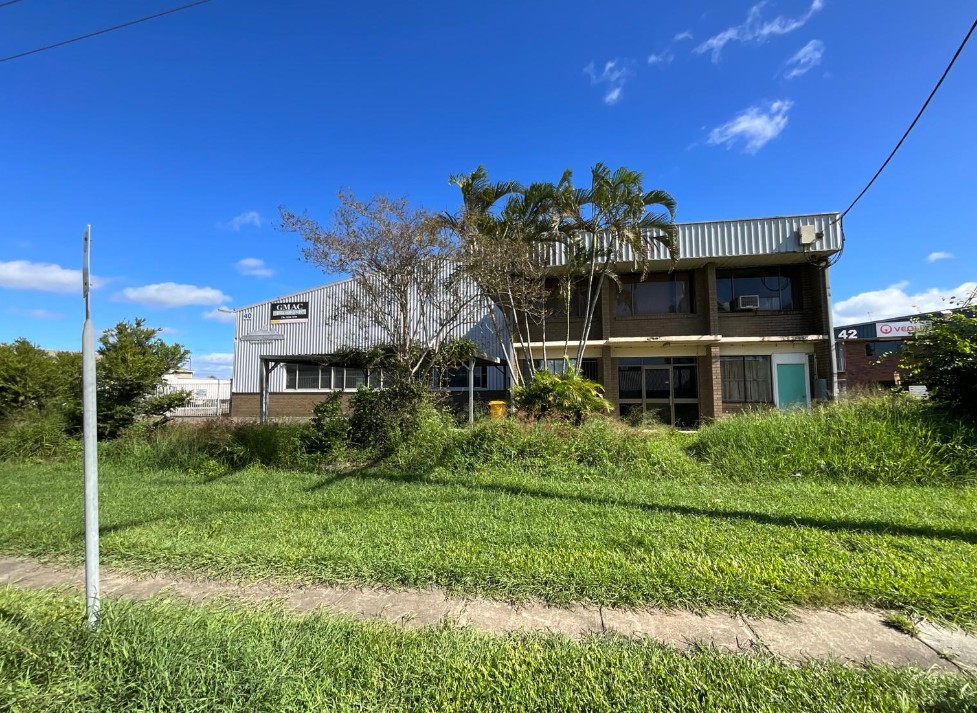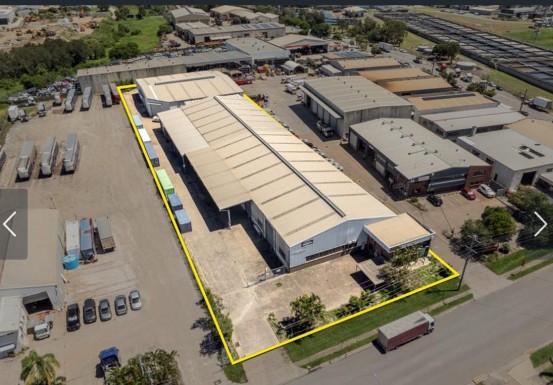
Commercial Pre-Purchase Inspection:Rocklea Industrial Property
What We Found
What a vacant, flood-affected warehouse revealed under a professional inspection
What the report gave the buyer
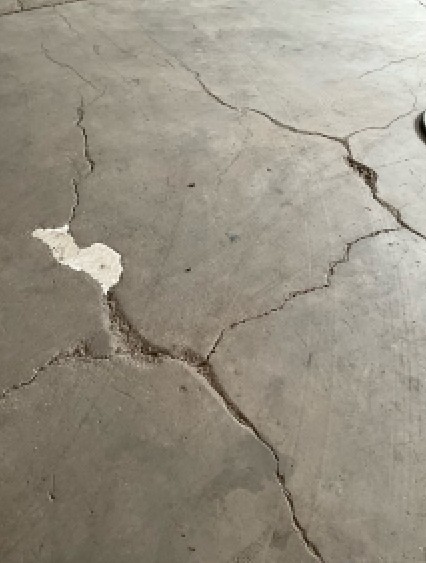
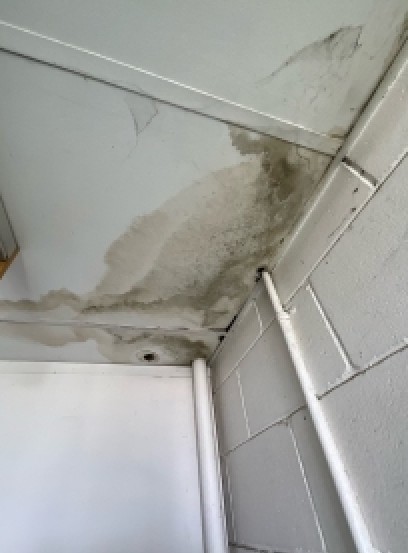
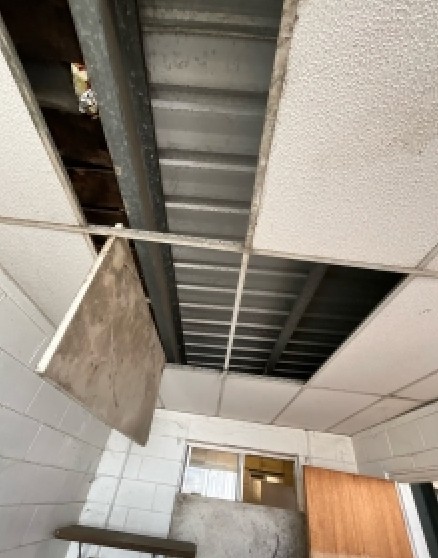
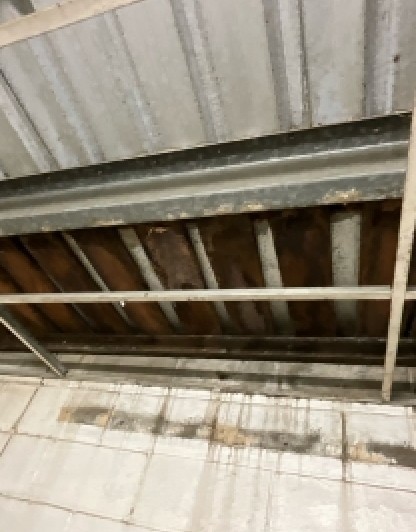
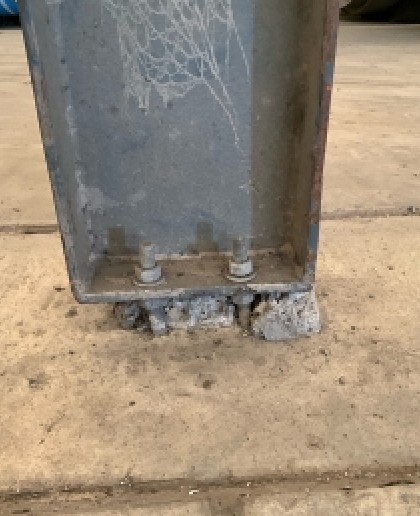
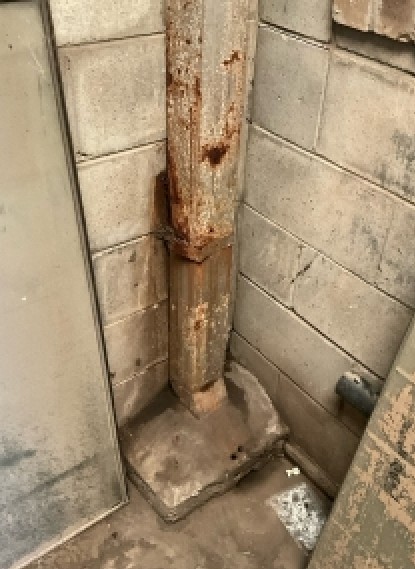
- Documentary evidence of structural corrosion, flood damage, and safety hazards across the building
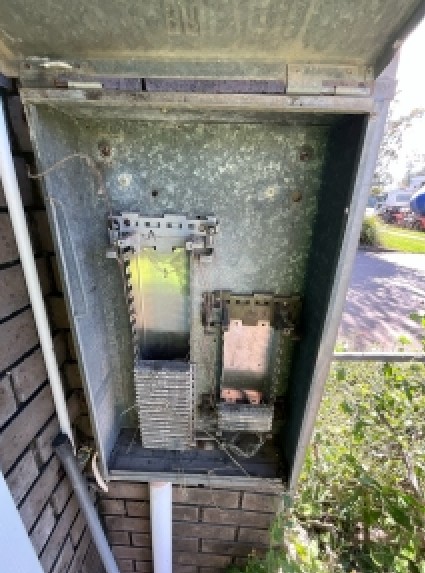
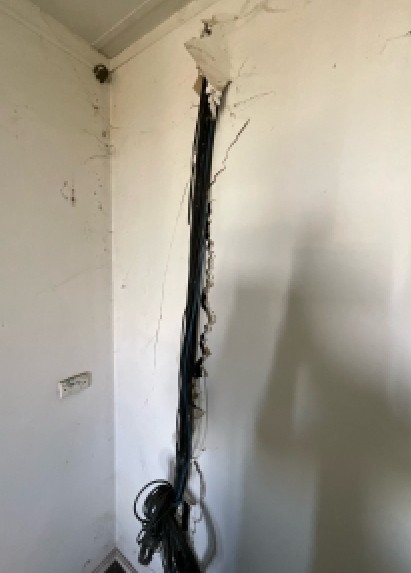
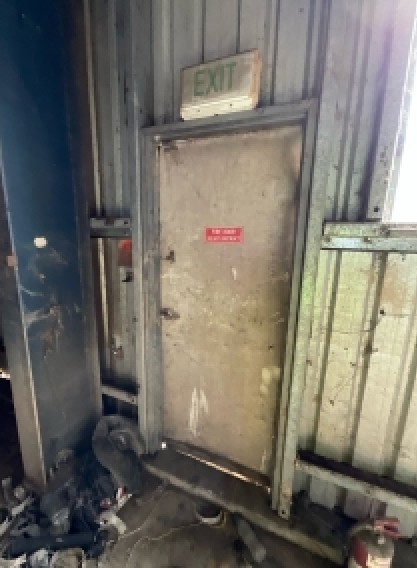
- Identification of compliance risks: Fire safety door, exposed electrical, missing RCDs — before any legal obligation to rectify transferred to the buyer
- A clear basis to negotiate on price, request rectification, or walk away with confidence
A commercial property doesn’t come with the same consumer protections as a residential purchase. Once the contract is signed, the buyer owns every defect. Without this report, the extent of flood damage, structural corrosion, and safety non-compliance in this building would not have been visible from a standard walkthrough.
Additional Trades and Specialists Recommended
A building and pest inspection is a visual, non-invasive assessment. For a property of this age, history, and condition, the report identified several areas requiring follow-up by licensed specialists before the full scope of rectification could be determined:
- Licensed electrician: Assess and certify the meter box, safety switches, RCDs, exposed cabling, light fittings, power outlets, and any remaining electrical infrastructure given the flood history and extended vacancy
- Licensed plumber: Inspect bathroom fixtures, cabinetry, drainage, and the performance of plumbing systems that had not been in active use
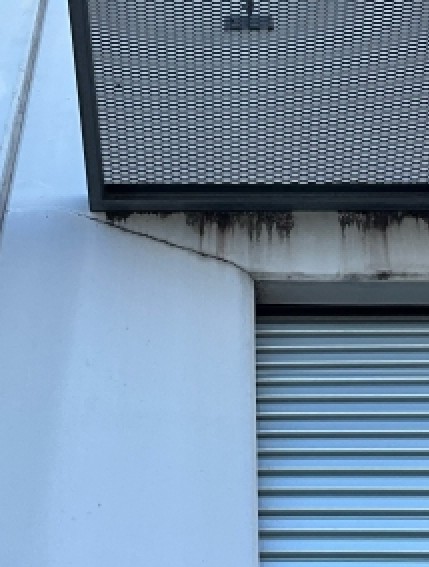
- Structural engineer: Assess corroded steel beams, brackets, and column bases; confirm structural adequacy; determine repair or replacement scope for cracked precast concrete panels under AS 3600
- Corrosion specialist: Work alongside the structural engineer to treat and remediate corroded steel members and connections
- Licensed builder: Coordinate reinstatement of flood-damaged ceilings, wall linings, internal finishes, and external door frames
- Roofing contractor: Assess water ingress pathways and rectify roof damage identified as the likely source of ceiling and wall staining (roof exterior was not accessible for drone inspection due to restricted airspace)
- Air-conditioning contractor: Assess the condition and compliance of existing air-conditioning infrastructure; units had been removed or were missing at multiple locations
- Fire door contractor: Inspect and certify the fire safety door for compliance with NCC requirements, including hardware, locking mechanism, and frame integrity
- Licensed pest controller: Install a chemical termite barrier immediately; schedule a follow-up timber pest inspection within one month
This list reflects recommendations made in the inspection report. It is not exhaustive — additional specialist input may be required once initial assessments are completed.