Pre-Purchase Building & Pest Inspection In Bethania
What We Found
What the seller didn’t disclose and what Our Inspection uncovered
What the report gave the buyer
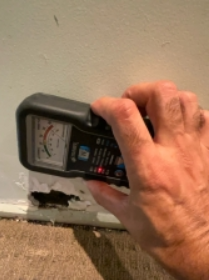
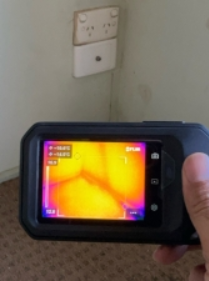
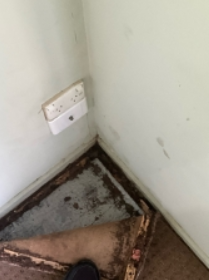
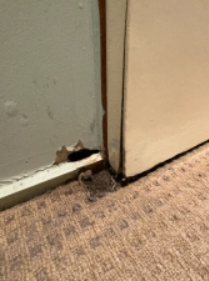
- Documentary evidence of active moisture, structural movement, and possible termite workings — none of which were apparent before the inspection
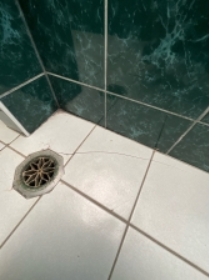
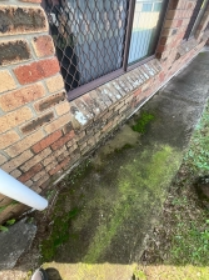
- Thermal imaging confirmation of moisture behind walls that looked perfectly fine from the surface
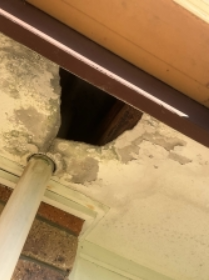
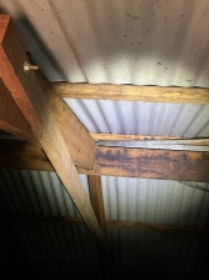
- Documented roof framing damage consistent with long-term water ingress, identified despite only partial roof space access
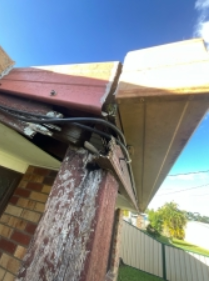
This was a 50-year-old home that presented reasonably well on the surface. The defects that mattered most, moisture in the walls, possible termite activity, roof framing deterioration, weren’t visible without the right equipment and experience.
The buyers were unaware of the extent of these issues prior to the inspection. Based on the findings and the potential rectification costs involved, they elected NOT to proceed with the purchase and withdrew their offer.
The report gave them the information to make that decision with confidence, not guesswork.
Additional Trades and Specialists Recommended
Anyone proceeding with the purchase of a property like this should budget for specialist follow-up before settlement or immediately after.
Based on the defects identified, the following trades would be required:
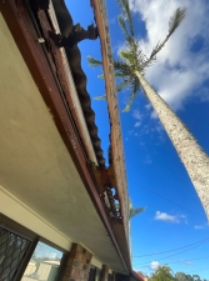
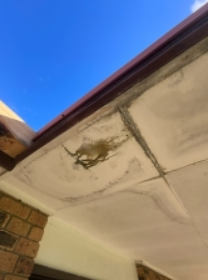
- Licensed builder: Invasive investigation of high-moisture wall areas to assess concealed framing damage; replacement of rotted fascia, external timbers, and soffit linings
- Structural engineer: Assessment of internal wall cracking to determine the nature and extent of structural movement
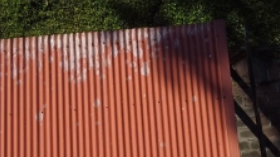
- Roofing contractor: Full assessment of corroded roof sheeting and moisture staining in the roof framing; inspection of penetrations and flashings
- Licensed plumber: Rectification of disconnected downpipes and hot water overflow; assessment of kitchen and bathroom plumbing
- Licensed pest controller: Investigation of possible termite workings; immediate installation of a chemical barrier; follow-up timber pest inspection within one month
- Licensed electrician: Assessment of the electrical installation given the building’s age and the extent of moisture present throughout the structure
Specialist recommendations are based on visible defects at time of inspection. Additional scope may be identified once invasive investigations are undertaken.