How Pre‑Purchase Building Inspections Differ for Older Homes vs. New Builds

At Zoom BPI, we understand that purchasing a property, whether it’s a charming older home or a fresh new build, is one of the most significant decisions you’ll make. That’s why pre-purchase building inspections are essential: they uncover risks, verify quality, reveal hidden costs, and give you a powerful tool for negotiation. While each inspection shares the same goal of protecting the buyer, the methods differ sharply between older homes and newly constructed properties. In this post, we explore how we adapt our approach based on the age and nature of the dwelling, ensuring you have an informed, confident buying experience.

Understanding the Distinct Needs of Older Homes and New Builds

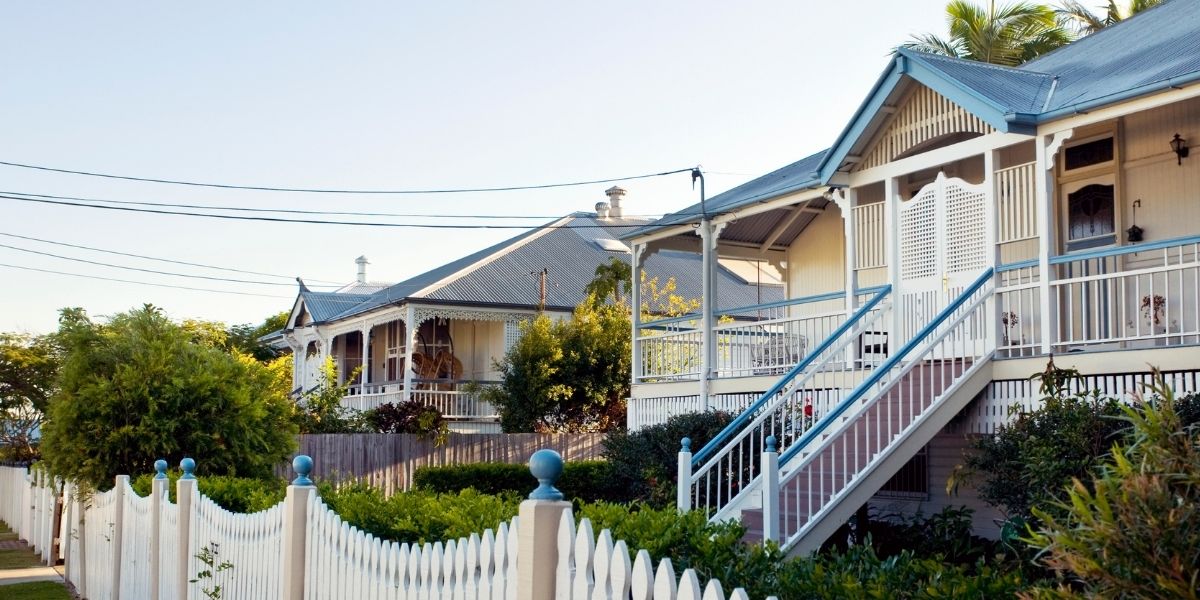
When inspecting an older home, typically one built decades ago, we focus on the materials and structural systems exposed to long-term wear. These buildings often have timber framing that may be infested or weakened, outdated plumbing prone to corrosion, and wiring that lacks modern safety features. Ceilings and cladding may contain asbestos or lead paint, and insulation or vapour barriers might be deficient. The inspector needs to consider the property’s construction era, evaluate changes over time, and interpret visible defects to understand how deep the issues may go.

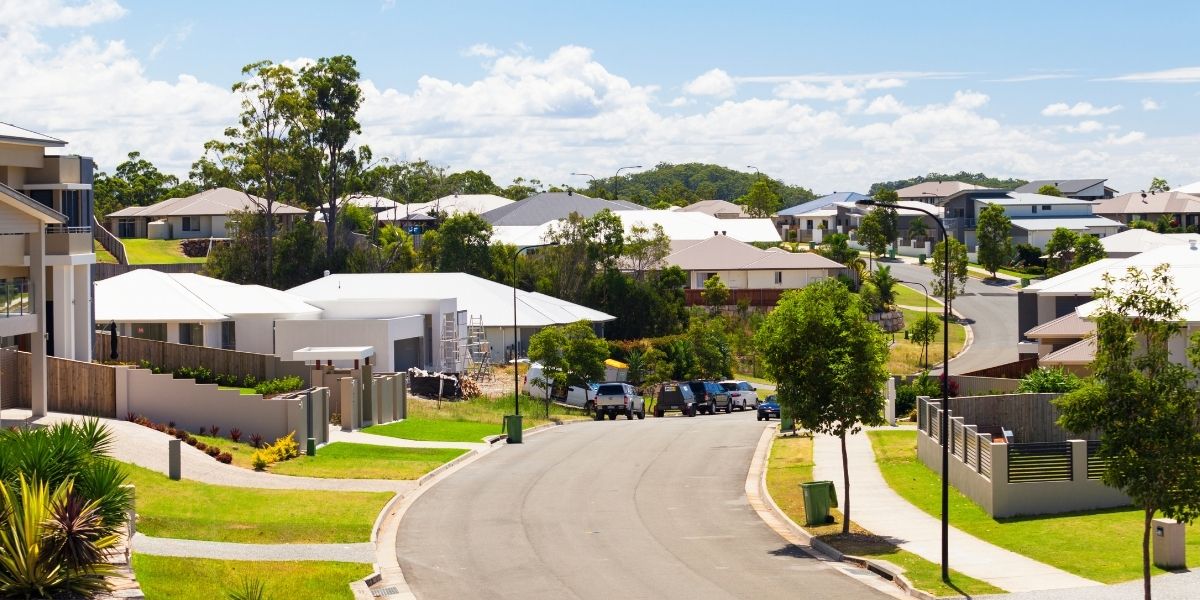
In contrast, a new build is expected to comply with current building codes, and we emphasise workmanship rather than wear. The team verifies structural integrity, tests plumbing and electrical installations, and checks that weatherproofing, drainage, finishes, and fixtures are correctly installed. Even though the building is newly constructed, minor defects such as misaligned tiles, poorly sealed junctions, or unfinished grout work can reduce durability and should be addressed.

Age, Materials, and Hidden Hazards

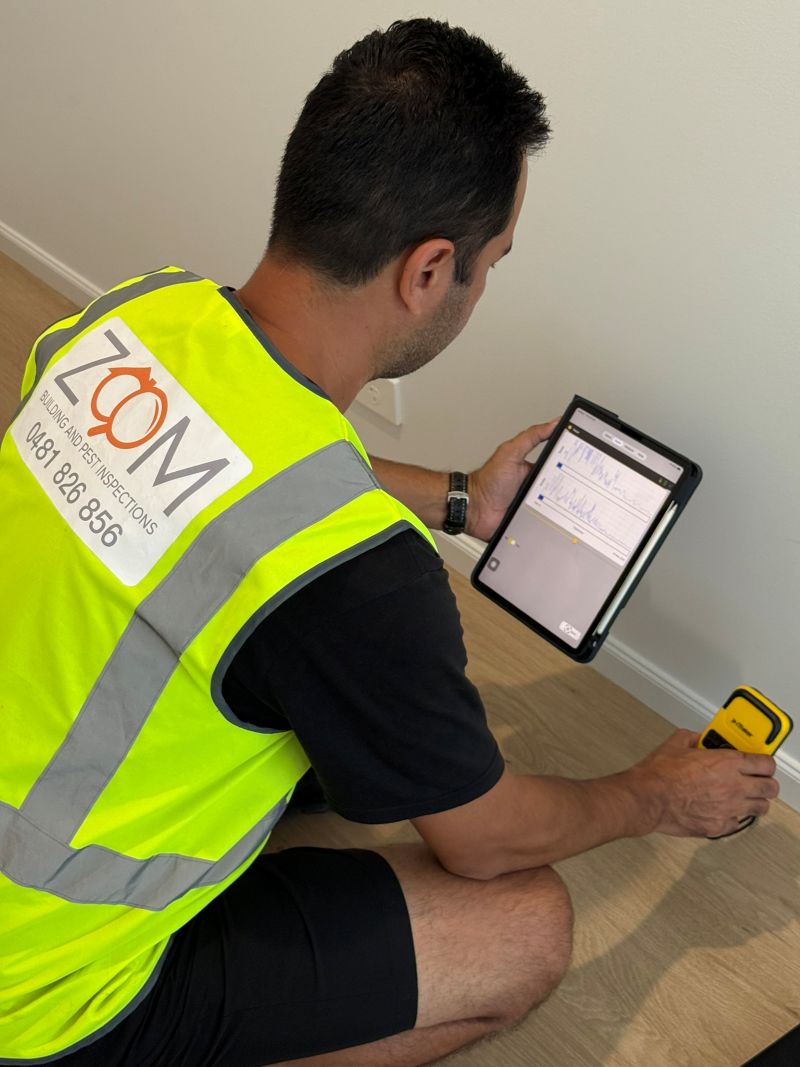
Older homes often carry hidden hazards. Timber floors and roof structures may be decayed or infested, galvanised plumbing may be restricted or leaking, and wiring could be cloth-core with no earthing. Even the building materials themselves, such as faded plaster or asbestos sheeting, pose health and safety risks. At Zoom BPI, our inspection team scans for timber rot, dry rot, pest damage, old plumbing corrosion, and unsafe wiring. The inspection draws on both visual observation and non-invasive tools such as moisture meters and thermal cameras to identify potential hidden issues.

A new build generally doesn’t carry these hazards. Materials are fresh and compliant: timber is treated, outlets are earthed and grounded, plumbing uses modern piping materials, and insulation meets current standards. Nevertheless, we check that these materials have been correctly installed. Misaligned plasterboards or small cracks in render may be easily repaired, but it is important to note these before warranty periods expire.

Foundations, Structure, and Settlement

Foundations in older homes can reveal significant concerns. Our building inspectors look for cracks in walls or footings that indicate subsidence, uneven flooring, or shoring adjustments under timber floors. Even chimney stacks and verandas can show signs of movement. The inspection looks closely at junctions between additions and original structures and considers whether the shed or carport extension may have been added without proper engineering.

On new builds, the structure is typically engineered to strict standards. We verify these engineered details on-site, checking slab placement, control joints, and drainage around the perimeter. Inspection of the framed structure focuses on proper bracing, the connectivity of tie-down systems, and how the roof battens and trusses interact with wall linings. Even with modern frame standards, poor workmanship can lead to gaps in weatherproofing or uneven surfaces.

Building Code and Compliance Issues

Many older homes were built before regulations mandated insulation, safety switchboards, or accessibility standards. Our inspection identifies non-compliant handrails, insulation gaps, unsafe wiring, and roof penetrations that don’t meet today’s standards. If extensions or alterations were undertaken informally, they may lack permits and contravene current codes. In such cases, we clarify whether rectification is required and the likely cost to bring the property up to code.

With new builds, inspectors confirm that the construction follows all relevant building and bushfire codes, energy ratings, glazing standards, and insulation requirements. We check the presence and certification of smoke alarms, that RCDs (residual current devices) are properly adjusted, and that plumbing and drainage have been approved. If any elements are incomplete or missing, they may be subject to defects or warranty claims.

Plumbing and Drainage: Old vs New

Inspecting older homes often reveals aging fixtures and unpredictable leakage. We note galvanised pipes prone to rust or diminishing capacity, outdated hot water systems, and downpipes or gutters that no longer channel water efficiently. The team looks for signs of hidden leaks in subfloors or behind walls, performs moisture meter readings near wet areas, and highlights required replacements to prevent future breakdowns.

In new builds, plumbing typically follows strict Australian standards. We check that piping is correctly installed, pressure tested where needed, and that stormwater outlets and sewage lines are graded properly for optimal flow. Assessing whether hot water and gas systems operate within safe parameters and fit neatly into designated spaces is also part of the process.

Get your Inspection today – we're just a call away!

Professional building and pest inspection from ZOOM BPI can help you to safeguard your investment. Arrange your inspection immediately to get accurate, timely results that prevent expensive surprises.

Roofing, Guttering, and Weatherproofing

Roofing on older homes may have corroded flashing, damaged sheeting, or missing ridge capping. Flashing around chimneys and penetrations is often weathered and brittle. Gutters and downpipes may be left loose or clogged. Internal signs, such as stains or decay, support any visual findings. We inspect the entire roof space, paying attention to ventilation, insulation, and where water may penetrate.

Even a new build may exhibit weatherproofing faults: missing flashings, poorly bedded ridge capping, or gutter fall issues. We confirm that cladding, roofing, window apertures, and door thresholds interface correctly to keep rainwater clear. Identifying such issues early helps buyers resolve them before settlement.

With new builds, inspectors confirm that the construction follows all relevant building and bushfire codes, energy ratings, glazing standards, and insulation requirements. We check the presence and certification of smoke alarms, that RCDs (residual current devices) are properly adjusted, and that plumbing and drainage have been approved. If any elements are incomplete or missing, they may be subject to defects or warranty claims.

Dampness, Mould, and Ventilation

Older homes are especially vulnerable to rising damp, condensation, and fungal build-up, due to poor subfloor vapour barriers and inadequate ventilation. Our inspection team tests moisture levels in floors and walls and looks for subfloor air circulation. Where condensation is present, they advise on installing exhaust fans or opening walls to improve airflow.

On new builds, the team checks whether vapour membranes and insulation have been installed in compliance with regulations. They also evaluate the adequacy of ceiling space and wall cavity ventilation, along with exhausts in bathrooms and kitchens. A tightly sealed new home without ventilation can trap moisture behind cabinets or in the roof space, so we assess whether passive or mechanical systems sufficiently promote airflow.

Electrical Safety and Upgrades

In older residences, cloth-covered wiring, exposed conductors, and the absence of safety switches or earthing pose serious hazards. We inspect switchboards, check for RCD installations, and confirm whether wiring has been upgraded or left exposed. Any defects in electrician certification or lack thereof are noted.

In new builds, the safety switches and labelling should be current and complete. At Zoom BPI, we verify that distribution boards are installed by licensed electricians, that there are enough circuits for intended use, and that cabling is safely contained. Switchboards are referenced against builder documentation to ensure nothing is incomplete or incorrectly installed.

Pest Risk: Termites, Rodents, and More

Older properties are typically closer to soil and vegetation, increasing the risk of termite invasion or rodent entry. We search subfloor spaces, skirtings, and external walls for termite mud trails, boreholes, droppings, or nesting. Inspection also identifies damage to decking, fence posts, or window sills.

New homes usually include termite management under the slab, and termite shields or inspection zones. We confirm the integrity of those systems and make sure that landscaping or underground utilities have not breached termite barriers. This ensures inspection zones remain accessible and effective over time.

Environmental Hazards: Asbestos, Lead, and More

Homes built before 1990 may include asbestos cement sheeting, isolated fibres in plaster, lead-based paints, or early vinyl flooring. Our inspectors flag suspected asbestos panels internally and externally, and highlight the cost and safety requirements for removal or encapsulation. Paint sampling or laminate testing for lead is also recommended where relevant.

By contrast, new builds should not use asbestos or lead paint at all. We confirm all materials are certified as safe and that any demolition of older buildings has been conducted responsibly, with documentation of equipment used or site remediation completed.

Aesthetic and Finish Quality Matters

Older homes may exhibit ageing paintwork, repointing issues, sagging eaves, worn steps, or uneven tiles. These are not just cosmetic; they may reveal water ingress or structural movement. We carefully review visible surfaces, noting where repairs are necessary to prevent future damage.

Workmanship in a new build can be inconsistent despite recent construction. We look for small misalignments in door frames, cracked grout, loose floor tiles, unsanded plaster joints, or uneven paint. These are typically part of defects to remediate under a builder’s defect liability period.

Insurance and Warranty Considerations

Insurers may view older homes as higher risk, especially if they contain aging systems or hazardous materials, leading to higher premiums or conditions. Our inspection provides documented evidence of condition, enabling buyers to negotiate repairs or upgrades before finalising the purchase.

New homes come with statutory building warranties (usually six to seven years for structure) and typically offer two- to three-year defect liability periods for finishing items. The Zoom BPI inspection ensures defects are recorded while the cover is still in place, so the builder is obligated to resolve issues before settlement or within a claimable period.

Time, Cost, and Process Differences

Inspecting an older home often takes longer: there are more variations to inspect, additional testing, and sometimes follow-up with other experts, structural engineers, asbestos assessors, or licensed electricians. This means inspection fees are typically higher.

For new builds, inspections are quicker and more straightforward, with no remedial specialist investigations needed. Our inspectors methodically check each stage, frame, lock-up, and final handover, ensuring nothing is overlooked and keeping the inspection cost more predictable.

Negotiation Power and Buyer Strategy

Defects in older homes commonly attract significant price reductions, major repair conditions, or vendor-paid works. Our report includes estimated repair costs so clients can enter negotiations fully informed and confident.

In a new build scenario, the inspection report is used to request defect rectification before settlement or to hold back a retention amount until issues are resolved. Even small defects add up; ensuring they’re addressed under the builder’s warranty means no hidden maintenance bills later.

Summary of Key Differences

In summary, pre-purchase building inspections for older homes deal with ageing materials, hidden degradation, compliance issues, environmental hazards, structural movement, weathered roofing, insect risk, and health hazards. New builds, on the other hand, demand attention to workmanship quality, compliance with warranty and building standards, proper installation of services, and minor finish issues. Both inspections share the common thread of protecting the buyer by highlighting concerns and enabling negotiation, but the scope varies based on building age.

Frequently Asked Questions

Do I need a pre‑purchase building inspection for a brand-new home?

Yes, absolutely. Even new builds can have defects in workmanship or finish. A pre‑purchase building inspection from Zoom BPI ensures all aspects meet Australian Standards and that you can identify any faults while the builder’s defect liability period is still active.

Older homes may hide serious issues such as asbestos, termite damage, unsafe wiring, or rising damp. These problems aren’t always visible at first glance. Our inspectors use specialised tools to detect underlying concerns before you commit financially.

Yes. If defects or future repair needs are found, you can use the Zoom BPI inspection report to negotiate a lower price, request seller-funded repairs, or adjust your offer accordingly.

Older homes usually take longer to inspect due to complexity and hidden risks. Most inspections take a few hours, with Zoom BPI delivering a full report within 24 hours, regardless of the property’s age.

If faults are identified in a new build, you can raise them with the builder under their defect liability period. We provide a detailed report that supports your request for remediation before settlement or handover.

Get a Quote for Your Building Inspection

Privacy Preference Center