Termite Inspection Brisbane
Protecting Brisbane Homes From Australia’s Most Destructive Pest.
Brisbane’s warm, humid climate makes it one of the highest-risk areas in Australia for termite activity. Our licensed termite inspectors use the latest detection technology to identify active infestations, termite damage, and conditions that attract termites — before they cost you thousands.
24hr
Report Turnaround
500+
Happy Clients
100%
Licensed & Insured
QBCC Licensed
24 Hour Reports
Thermal Imaging
MBA QLD Member
Fixed Pricing
INSPECTION REPORT TYPES
Not all pre-purchase inspections are the same, and the right report depends on the property and how you’re buying.
Here’s the 4 reports that you can have before buying your largest investment
Pre-Purchase Termite Inspection
Buying a property? Identify termite activity or past damage before you sign contracts.
Routine Termite Inspection
Annual inspections recommended by Australian Standards AS 3660.2.

Termite Damage Assessment
Already suspect damage? We assess the extent and advise on treatment.
Combined Building & Termite
Full structural and pest inspection in one visit, best value for buyers.
Ready to Book Your Inspection?
Protect your property with a professional building and pest inspection. Contact us today to get started.
Our Pre Purchase Pricing
$390
1 bedroom and 1 bath $390
2 bedroom 2 bath $440
$550
4 bedrooms 2 bath $550
Additional rooms POA
Every Inspection Includes
We use the same professional-grade equipment on every inspection regardless of property size or price point — no upgrades, no extras.
|
Tool |
What It Does |
|---|---|
|
Thermal Imaging Camera |
Detects heat differential behind wall surfaces, identifying concealed moisture and conditions consistent with termite activity |
|
T3i Moisture Meter |
Quantifies moisture readings in wall linings, floors and framing to distinguish active from historical moisture ingress |
|
All-Sensor Technology |
Radar-based detection that identifies termite movement behind wall surfaces without physical intrusion |
|
Drone Roof Inspection |
High-resolution aerial view of the full roof structure, gutters and drainage — covering areas no ladder can safely reach |
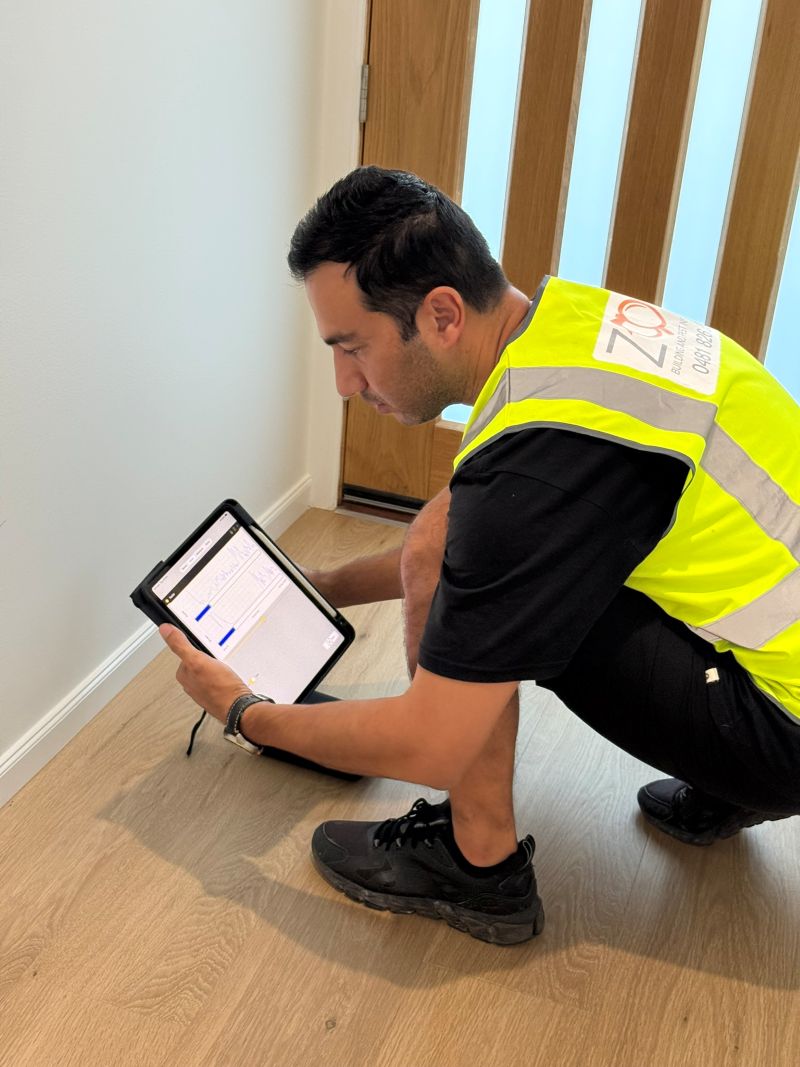
Are Termite Inspections Really That Important?
Absolutely. Termites cause an estimated $1.5 billion in damage to Australian homes every year, and most home insurance policies do not cover termite damage. In Queensland, subterranean termites (white ants) are especially aggressive, capable of destroying a home’s structural timber in as little as 3 months without any visible external signs.
Many homeowners don’t discover an infestation until it’s too late. A professional termite inspection is the only reliable way to detect early-stage activity hidden behind walls, under floors, in roof voids, and in subfloor spaces.
Buyer Beware
If you’re purchasing a property, a termite inspection is not just recommended, it’s essential. Sellers and real estate agents are not required to disclose past termite activity or treatment history. An independent inspection puts the facts in your hands before you commit to one of the biggest purchases of your life.
What Is a Termite Inspection?
A professional termite inspection is a thorough examination of your property to detect:
- Live termite activity – active colonies inside or around the structure
- Termite damage – timber that has been hollowed or weakened by termites
- Termite workings – mud leads, shelter tubes, and entry points
- High-risk conditions – moisture, wood-to-soil contact, dense garden beds, and other factors that attract termites
Our inspectors follow Australian Standard AS 3660.2 and inspect all accessible areas including roof void, subfloor, internal rooms, garage, fences, garden structures, and the full perimeter of the property.
After the inspection, you’ll receive a detailed digital report with photos, risk ratings, and clear recommendations – delivered the same day.
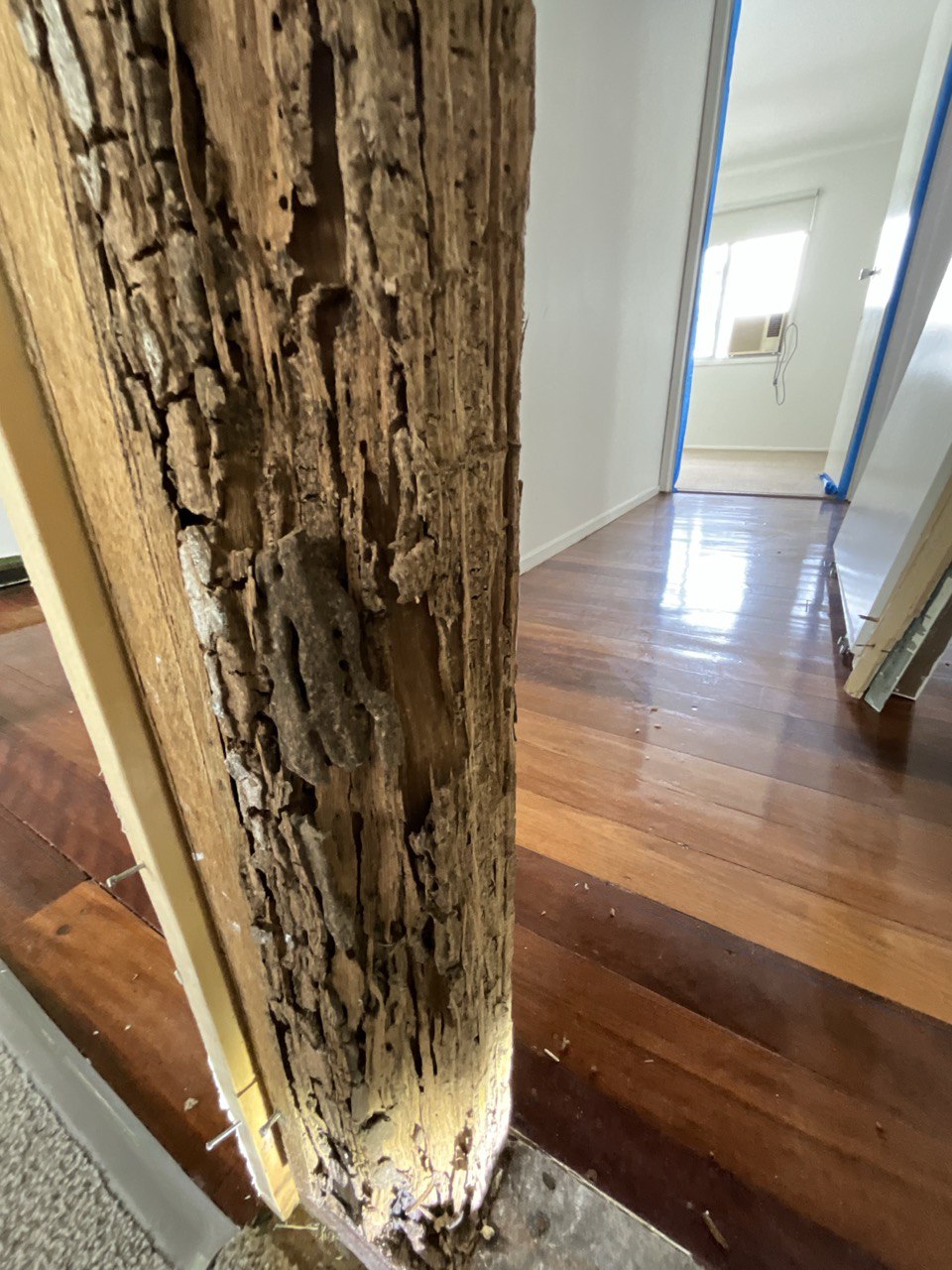
We Use These Tools For Our Termite Reports
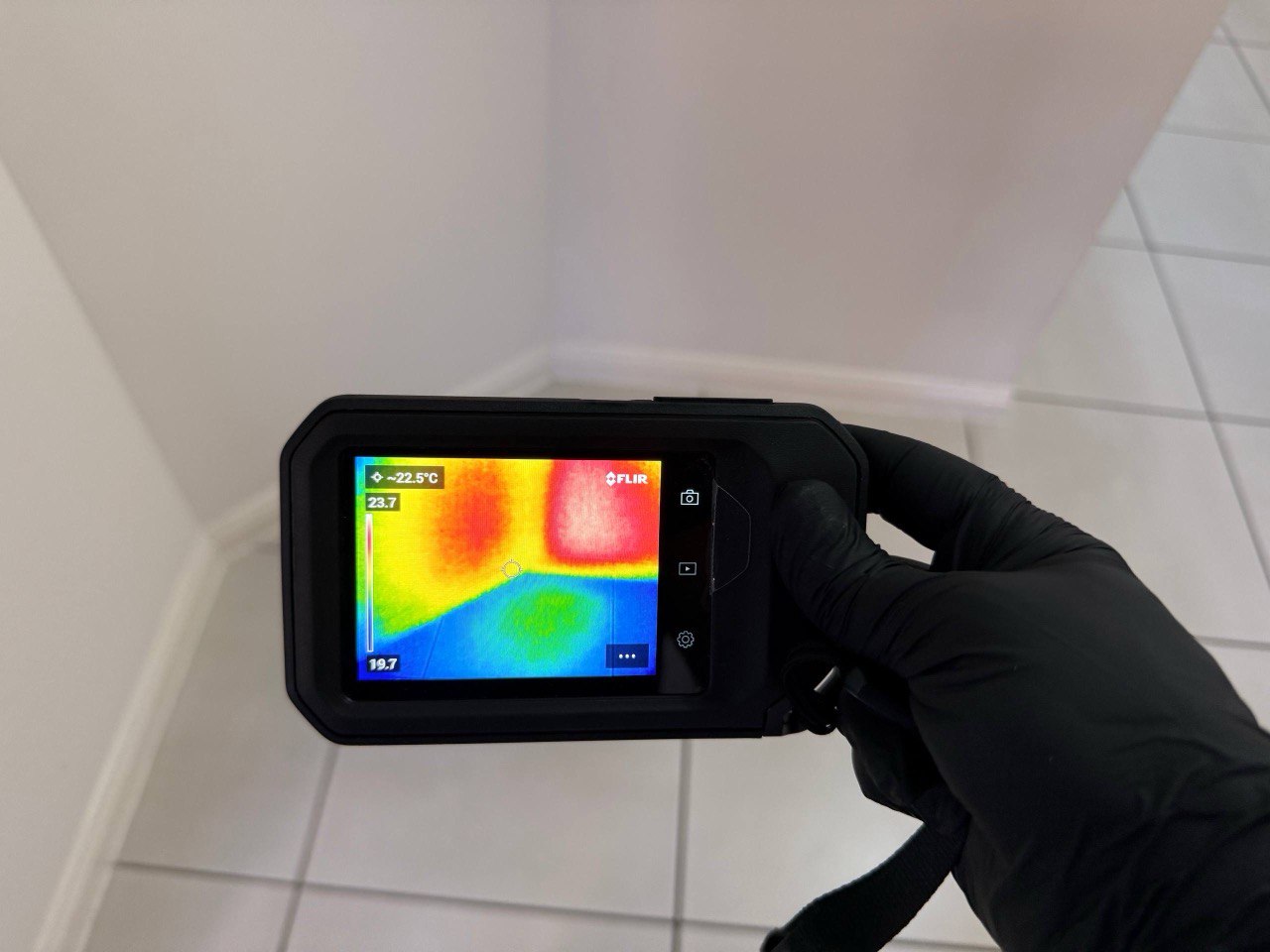
Thermal Imaging Camera
Detects heat signatures from termite activity inside walls without invasive drilling.
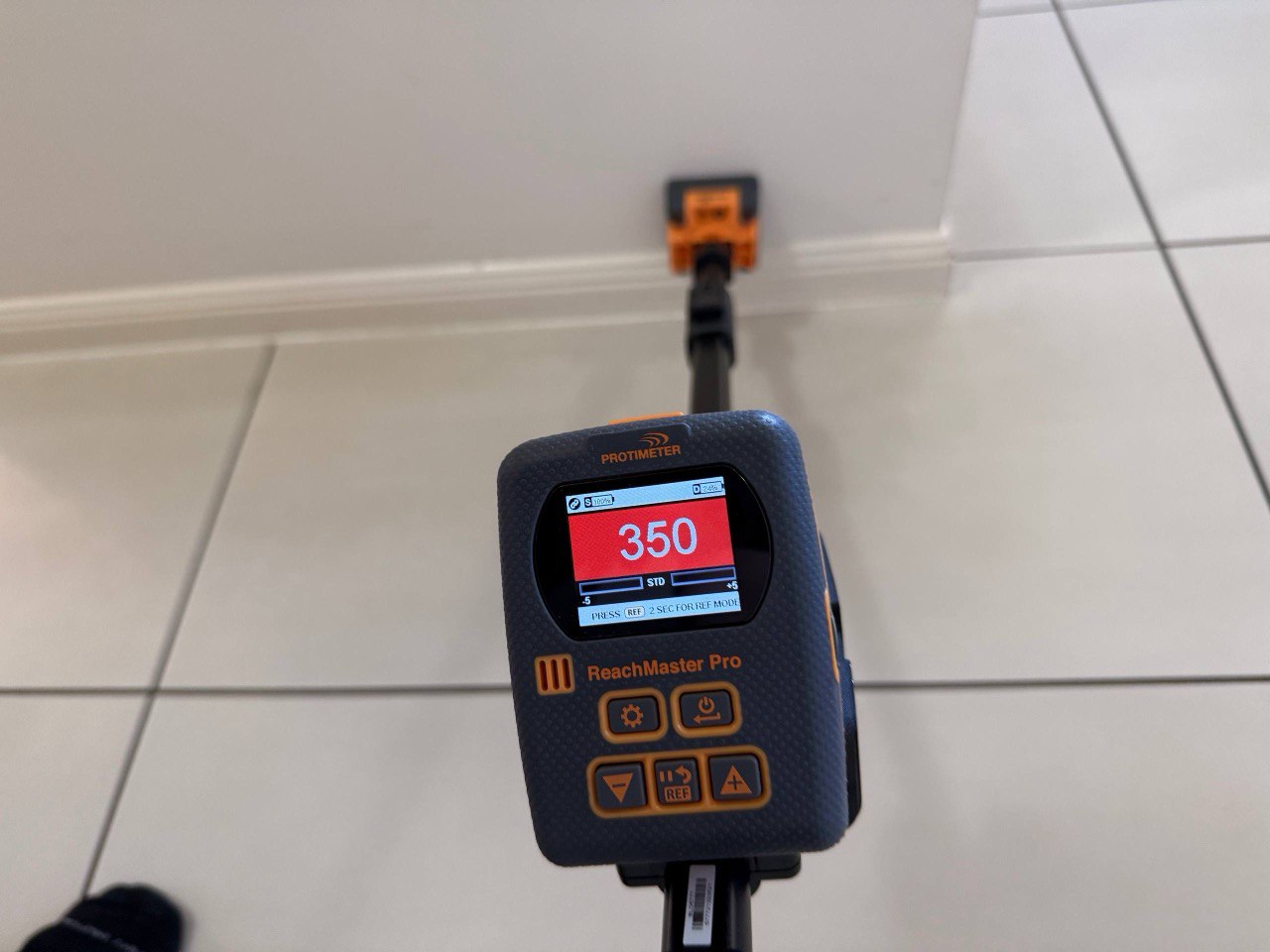
T3i Moisture Meter
Identifies moisture levels, the #1 attractant for termites.
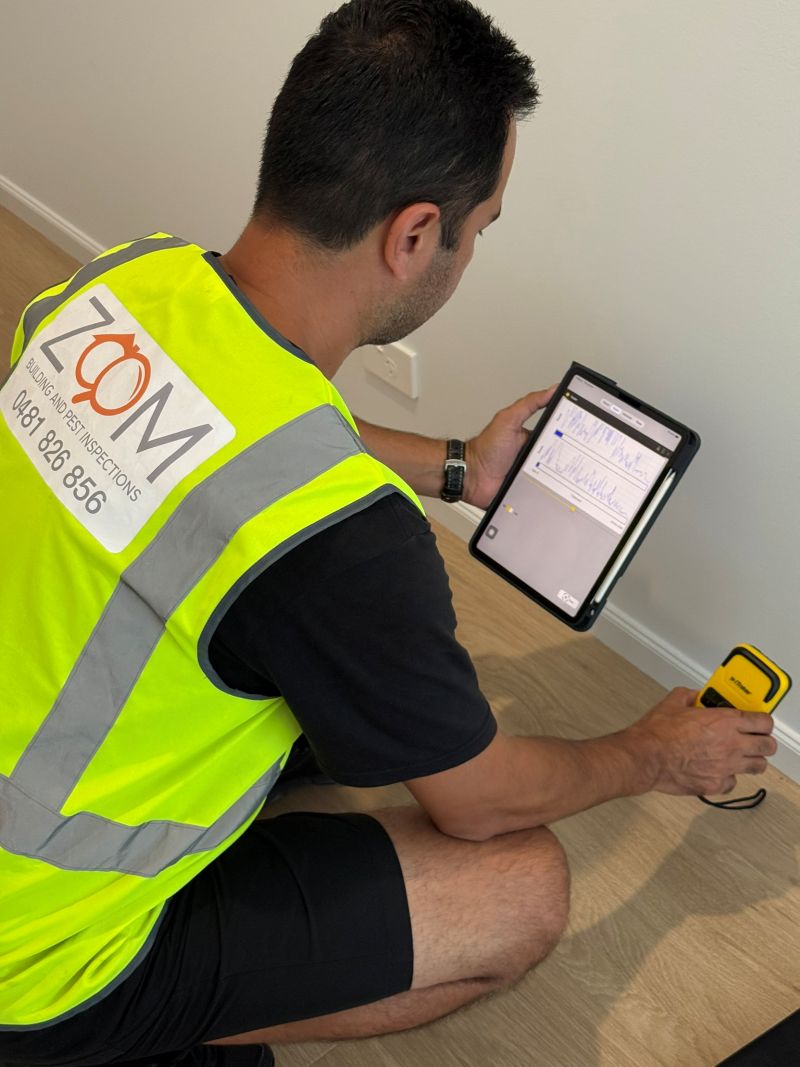
Termatrac
Motion-sensing radar detects termite movement through timber non-invasively.
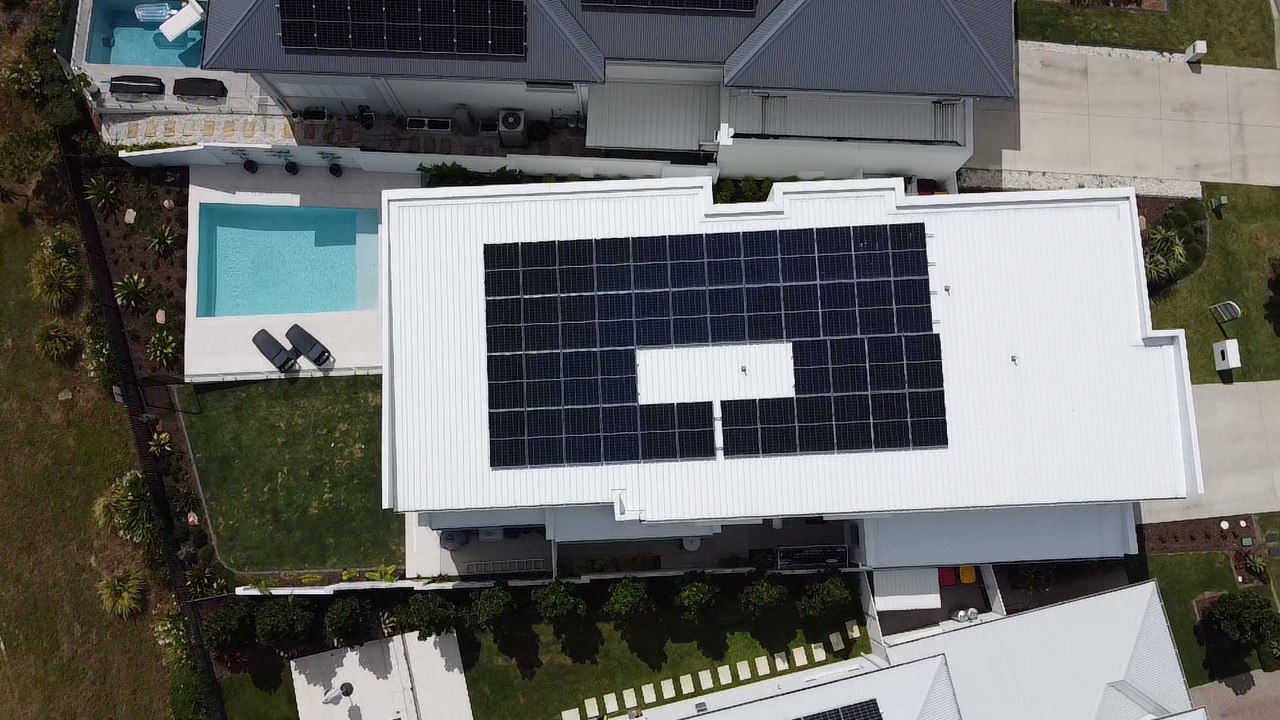
Drones
For inspecting tight wall cavities, subfloor areas, and roof voids.
We Do Building & Pest Inspections For
Whatever the property type, our inspectors have the experience and equipment to give you an accurate, complete picture of what you’re buying.

Freestanding Homes
Full structural, pest and moisture inspection covering all accessible areas including roof space and subfloor. For Queenslander homes, subfloor access is important — stump deterioration and subfloor termite activity are among the most common findings in this property type.
⚠ Key risk: Termite activity, stump deterioration, concealed moisture

Units & Apartments
We inspect the internal lot and all accessible common areas, identifying defects affecting your individual property and the shared structure. Waterproofing failure in wet areas is the most frequently identified major defect in post-2000 apartment construction.
⚠ Key risk: Waterproofing failures, water penetration from above
New Builds & Handovers
New construction is not exempt from defects. Waterproofing failures, incomplete works, non-compliant tie-downs and drainage issues appear regularly in handover inspections. We inspect before you accept the keys — while rectification is still the builder’s obligation, not yours.
⚠ Key risk: Waterproofing, tie-down compliance, incomplete works
Commercial Properties
Offices, warehouses, retail spaces and mixed-use buildings. We assess structural condition, identify maintenance liabilities and note compliance concerns to inform your purchase or lease decision before you’re legally committed.
⚠ Key risk: Structural capacity, drainage, maintenance liabilities.

Heritage Homes
Properties built before 1990 carry elevated risk — asbestos-containing materials, deteriorated stumps, galvanised plumbing and higher termite activity in timber frames. With extensive experience with heritage homes, we know where these properties require closest attention.
⚠ Key risk: Asbestos, stumps, termites, galvanised plumbing.

Townhouses & Duplexes
IWe inspect all accessible areas including common walls, rooflines, subfloor and shared drainage. For properties in body corporate schemes, we note common property concerns and recommend a strata report where the condition of shared areas is a significant concern.
⚠ Key risk: Common wall moisture, shared drainage failures.
Ready to Book Your Inspection?
Protect your property with a professional building and pest inspection. Contact us today to get started.
Don’t Rely On The Vendor Or The Agent For Termite Information
Real estate agents are legally obligated to act in the seller’s best interest – not yours. Sellers are not required to proactively disclose termite history, previous treatments, or damage that has been repaired. Without your own independent termite inspection, you have no way of knowing the full picture.
Common scenarios buyers face:
- A property had active termites treated just before listing, with cosmetic repairs hiding damage.
- A previous termite management system (e.g., chemical barrier) has expired and is no longer effective.
- Garden landscaping or new extensions have compromised an existing barrier.
What to Do After You Receive the Termite Inspection Report
Find and Understand Risks of Repairs
Our reports clearly outline every finding with photos, risk level ratings, and plain-English explanations. We’ll walk you through the report and answer any questions so you understand exactly what’s been found and what it means for you.
Get Accurate Quotes Before Committing
If active termites or damage is found, get quotes from licensed pest management professionals before proceeding with a purchase or any remediation work. We can provide referrals to trusted treatment specialists.
Review Your Contract Conditions Before Signing
Use the findings from your report to negotiate with the vendor — whether that’s a price reduction, a request for treatment, or including a special condition allowing you to withdraw if termites are found.
Termite Management Condition and Strategy
Whether or not termites are found, every property should have a termite management plan. Australian Standards recommend inspections every 6–12 months and a physical or chemical barrier around the structure. We’ll advise on the best approach for your property type.
What Termite Inspections Do Not Cover
A termite inspection is a visual and non-invasive assessment. While we use the best detection technology available, there are limitations to what any inspection can detect. Our inspections do not include:

Our 3-Step Building & Pest Inspection Process
Book Your Inspection
Call us or fill in our quick online form. Provide the property address and your preferred time. We confirm your booking, coordinate access with the selling agent, and send you everything you need to know before the day. We work around your contract deadlines — not the other way around.
We Inspect the Property
Your qualified inspector arrives on time and conducts a thorough assessment of all accessible areas — roof space, subfloor, all internal rooms, external walls, drainage and surrounding site. We use a FLIR thermal imaging camera on every inspection to detect moisture, insulation gaps and conditions indicative of termite activity behind wall surfaces.
Receive Your Detailed Report
Your report arrives in your inbox within 24 hours. It is prepared in accordance with AS 4349.1 and categorises every finding as Major Structural, Major Non-Structural, Minor Defect or Safety Hazard, with photos and plain-language description. Your inspector is available to walk you through findings by phone.
Contact Us
Get In Touch
Contact our team today to arrange a professional building and pest inspection for your property.
Termite Inspection FAQ’s
Got a question?
Find answers to common questions about our termite inspection services.