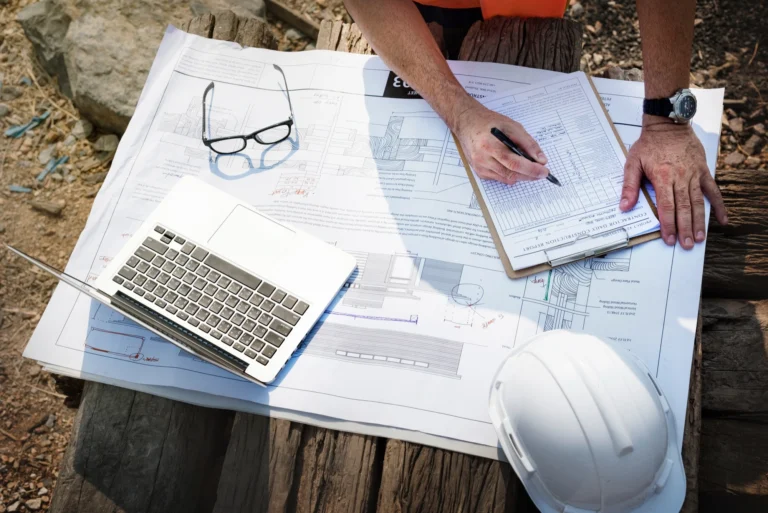
Why Every Property Owner Should Get a Dilapidation Report Before Starting Construction

When planning a new construction project, whether it’s a residential home, commercial development, or a large-scale infrastructure project, property owners are required to make numerous decisions. One of the most important yet often overlooked steps in this process is obtaining a dilapidation report. At Zoom BPI, we understand the significance of thorough planning and risk management in construction projects. 

A dilapidation report plays a vital role in safeguarding both the project and the surrounding properties.
A dilapidation report is a thorough document that records the current condition of a property before any construction or excavation work begins. It is an essential part of the due diligence process, offering several key advantages that protect the property owner, the neighbouring properties, and the project’s overall success. In this blog, we will explore the reasons why every property owner should obtain a dilapidation report before starting construction, along with answers to frequently asked questions about this critical document.

What Is a Dilapidation Report?

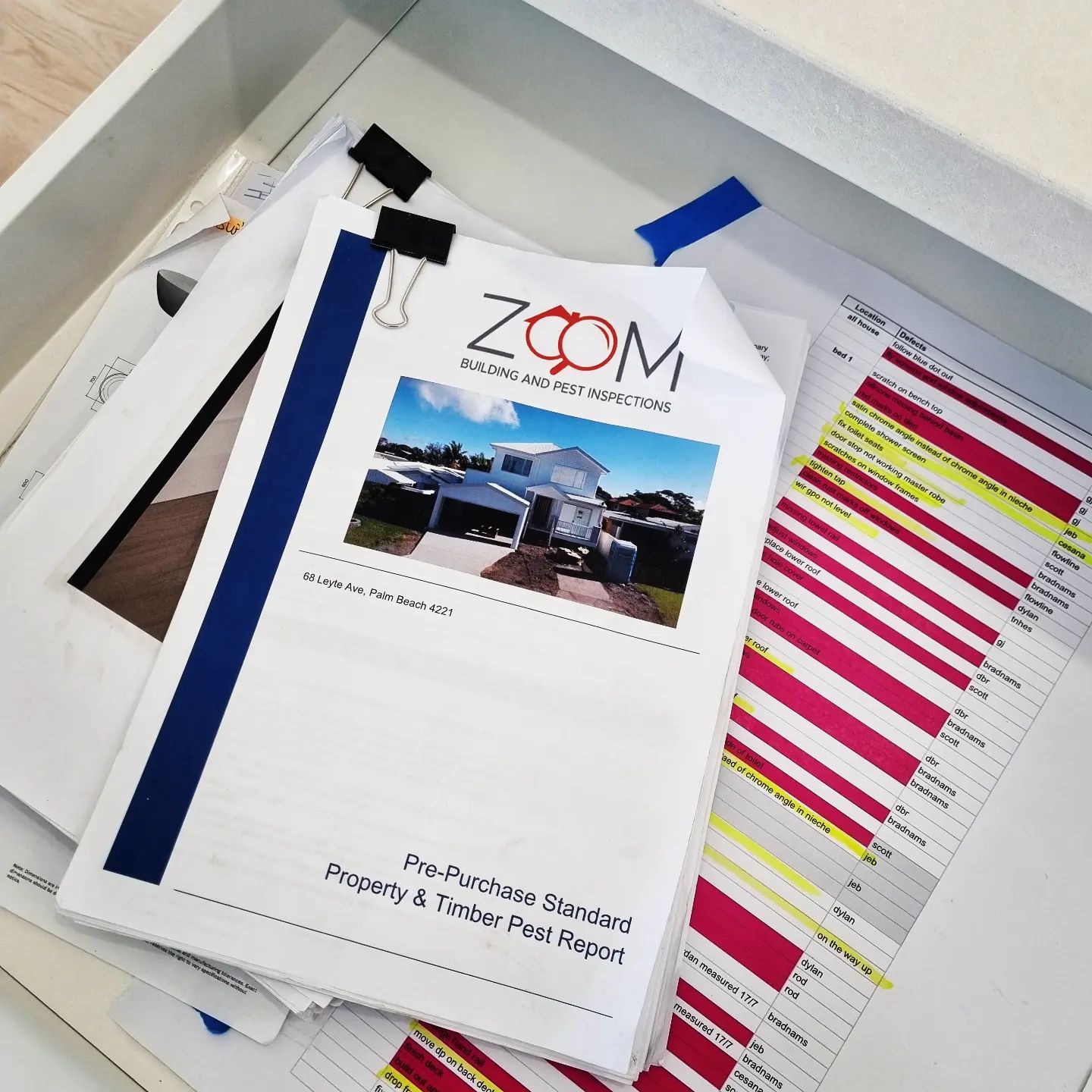
A dilapidation report is a detailed survey and assessment of the condition of a property, documenting all existing defects, damages, or any potential vulnerabilities before the commencement of construction or demolition work. The report typically includes photographs, written descriptions, and even video footage to capture the condition of the property comprehensively.

The report focuses on both the interior and exterior of the property, including structures such as walls, ceilings, floors, foundations, and roofs. It may also cover nearby properties, depending on the scale of the construction project. By thoroughly documenting the property’s current condition, a dilapidation report provides a baseline that can be used to determine if any damage occurs as a result of the construction work.

Protection Against False Claims of Damage

One of the most significant benefits of obtaining a dilapidation report is that it serves as a safeguard against false claims of damage from neighbours or third parties. Construction works, especially large-scale projects, can cause vibrations, dust, and other environmental factors that may lead to the deterioration of nearby properties. Without a dilapidation report, property owners risk being held responsible for damages that they did not cause.

By having a professional dilapidation report in place, property owners can prove the pre-existing conditions of their property and surrounding structures. This documentation provides clear evidence of any damages that existed before the start of construction, thus protecting the owner from any unfounded claims.

Legal Protection and Compliance with Local Regulations

In many areas, including cities across Australia, a dilapidation report is not just advisable, it’s a legal requirement before beginning construction. Local councils or government authorities often require property owners to submit a dilapidation report as part of the permit application process, especially if the construction is happening near existing buildings or infrastructure.

These reports ensure compliance with local planning and building regulations. They help prevent disputes or legal issues that might arise from neighbouring properties or the council. Failure to comply with these regulations could lead to fines, delays, or, in extreme cases, halting of the construction project.

Avoiding Costly Disputes with Neighbours

Construction projects can create tension between neighbours, particularly if damage occurs to their property. The vibrations from heavy machinery, excavation, and other construction activities can cause cracking or structural shifts in neighbouring properties. Without clear documentation of the property’s condition before construction, property owners may find themselves involved in lengthy, costly legal battles with their neighbours.

A dilapidation report provides an objective, third-party record of the property’s condition. This means that in the event of a dispute, the report can act as evidence that any damage was either pre-existing or not caused by the construction work. This is particularly important in areas with tightly packed properties or high-density living, where even minor construction impacts can have significant consequences for neighbouring buildings.

Get your Inspection today – we're just a call away!

Professional building and pest inspection from ZOOM BPI can help you to safeguard your investment. Arrange your inspection immediately to get accurate, timely results that prevent expensive surprises.

Managing Construction Risks and Preventing Future Issues

Construction projects, especially those involving excavation or the use of heavy machinery, can create risks for both the project site and surrounding properties. A dilapidation report helps property owners identify and manage these risks before work begins.

For instance, the report can highlight potential issues such as pre-existing cracks in the walls or foundations that may worsen during construction. It may also identify other concerns like structural weaknesses, moisture issues, or drainage problems that could be exacerbated by construction activities. With this information, property owners can take proactive steps to address these issues before they become more costly problems down the track.

By identifying potential risks early, property owners can work with builders, engineers, and other professionals to develop strategies that mitigate any possible damage. This helps ensure that the construction process is as smooth as possible, with fewer disruptions and unforeseen issues.

Building Trust with Contractors and Stakeholders

A dilapidation report is not just useful for the property owner; it can also serve as a valuable tool for contractors, engineers, and other project stakeholders. By providing a detailed, independent assessment of the property’s condition, the report helps ensure that all parties are on the same page before construction begins.

For contractors, the report is an essential tool for understanding the existing condition of the property. It allows them to plan their work more effectively, taking into account any potential risks or issues that may arise during the construction process. This transparency helps build trust and reduces the likelihood of misunderstandings or disputes between the property owner and the contractor.

Minimising Insurance Costs

Obtaining a dilapidation report can also help property owners reduce their insurance costs during the construction phase. Insurance providers often require detailed assessments of potential risks before agreeing to cover a construction project. By presenting a dilapidation report, property owners can demonstrate that they are taking the necessary steps to protect the project and surrounding properties. This can result in lower premiums or more comprehensive coverage, as insurers can assess the risk more accurately.

Additionally, the report can help property owners understand what insurance coverage they might need to protect against damages that may occur during construction. This includes damage to neighbouring properties, public infrastructure, or the environment, as well as any potential risks to the construction site itself.

Preserving Property Value

Property owners typically aim to increase the value of their property through construction and renovation projects. However, construction work can also lead to unforeseen issues that may affect the property’s value, particularly if damage occurs to neighbouring buildings or infrastructure. A dilapidation report helps preserve the value of the property by documenting its pre-construction condition and ensuring that any construction-related issues are addressed before they cause significant harm.

In the long term, a dilapidation report can also be beneficial when selling or refinancing the property. Prospective buyers and financial institutions may want to see evidence that the property was well-maintained and that construction was carried out in compliance with regulations. A dilapidation report provides a clear record of the property’s condition, ensuring that it remains an attractive investment.

Comprehensive Understanding of Local Risks

Every construction site is unique, and the risks involved can vary greatly depending on the location. By obtaining a dilapidation report, property owners gain a deeper understanding of the potential risks specific to their location. For example, areas prone to flooding, soil instability, or seismic activity may require additional precautions to protect both the property and surrounding structures.

A dilapidation report provides valuable insights into these local risks, which can inform the design and construction process. By addressing these risks upfront, property owners can avoid costly delays and ensure that their construction project is able to withstand any challenges posed by the environment.

Ensuring Construction Compliance

Dilapidation reports are often a requirement for compliance with construction standards. Local councils and regulatory bodies may require these reports to ensure that the property owner is taking appropriate measures to protect surrounding areas during construction. This includes ensuring that no damage occurs to neighbouring properties or public infrastructure.

By obtaining a dilapidation report, property owners can demonstrate that they are following best practices and meeting all necessary requirements. This is important not only for legal compliance but also for maintaining the reputation of the property owner, builder, and other stakeholders involved in the project.

Conclusion

While obtaining a dilapidation report may seem like an additional cost or step in the construction process, the benefits far outweigh the investment. A dilapidation report provides essential protection for property owners, contractors, and neighbouring properties. It safeguards against false claims of damage, ensures legal compliance, and helps mitigate risks associated with the construction project. Furthermore, it builds trust between stakeholders, minimises insurance costs, and helps preserve the property’s value in the long term.

For property owners planning construction projects, whether large or small, securing a dilapidation report is a smart and necessary decision. It provides peace of mind, protects investments, and ensures that the project proceeds smoothly without unnecessary delays or disputes. Trust Zoom BPI to conduct thorough, accurate dilapidation reports that ensure your construction project is off to the best start.

Frequently Asked Questions

What is the main purpose of a dilapidation report?

The primary purpose of a dilapidation report is to document the current condition of a property before any construction begins. This ensures that any existing damage is identified and can be used as evidence in case any issues arise later, protecting the property owner from false damage claims.

In many cases, yes. Local councils and planning authorities often require a dilapidation report to be submitted as part of the construction permit application process, especially for projects close to other properties. It ensures that the construction complies with safety standards and local regulations.

A qualified building inspector conducts the dilapidation report, examining the property thoroughly and documenting its current state through detailed written descriptions, photos, and videos. This includes inspections of both interior and exterior elements, such as walls, ceilings, roofs, and foundations.

A dilapidation report should be obtained before any significant construction or excavation work begins. This includes home renovations, demolitions, and even nearby infrastructure projects that might affect neighbouring properties.

 Yes. A dilapidation report can save you money by preventing costly legal disputes with neighbours, avoiding insurance issues, and identifying potential risks early. It ensures that construction proceeds smoothly and in compliance with local regulations.

Get a Quote for Your Building Inspection

Privacy Preference Center