This article is for property buyers and homeowners in Brisbane, Moreton Bay, and greater south-east Queensland who’ve just received a building and pest inspection report, and spotted the words “termite risk.” It’s not for you if you already have visible termite damage and need immediate treatment. That’s a licensed pest controller, not a building inspector.
“Termite risk” in a building inspection report doesn’t mean termites are present right now. It means conditions exist on the property that would attract or support a termite infestation if left unaddressed. Two very different situations with very different responses.
What “Termite Risk” Actually Means
It’s a flag about conditions, not an active infestation, and what you do next depends on which conditions triggered it.
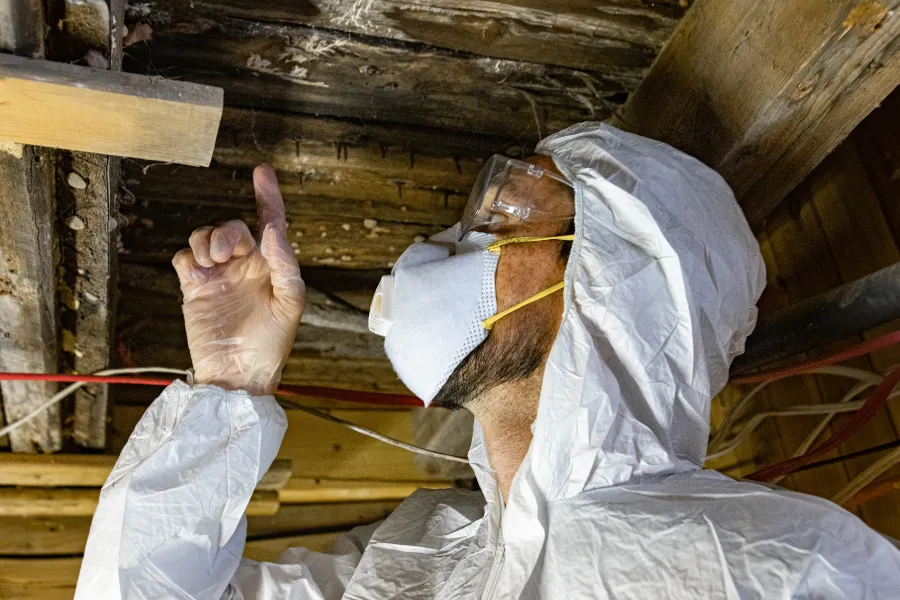
Building inspectors in Queensland work to AS 4349.3-2010, the Australian Standard for timber pest inspections. Under that standard, we’re required to document conditions conducive to termite activity, even when no live termites or damage are found. It’s a compliance requirement, not an alarm.
Common conditions that trigger a termite risk notation:
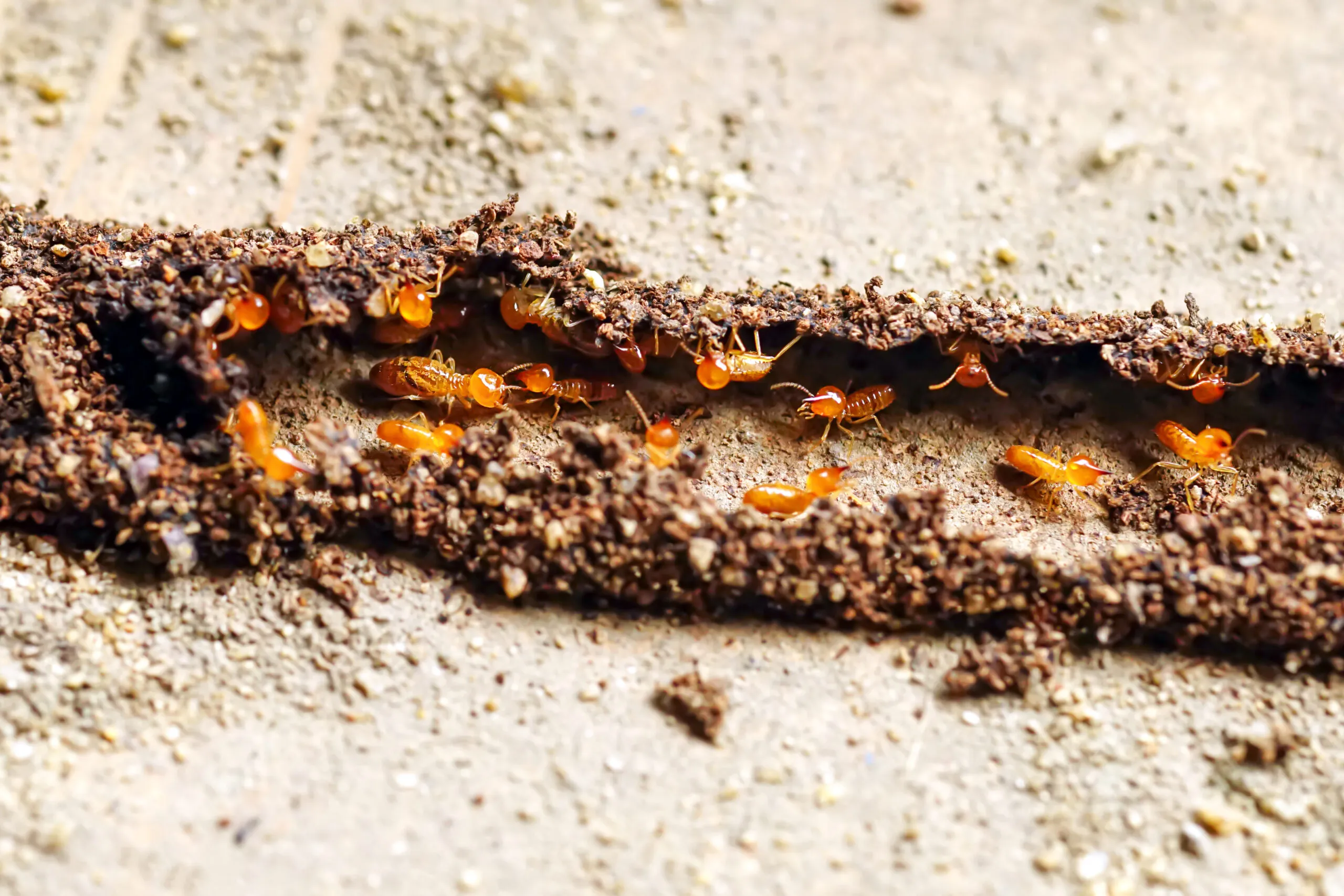
Timber in contact with soil. Garden beds built up against weatherboard walls, landscaping timbers touching the house frame, or fence posts embedded near the structure. Subterranean termites, the main species across Brisbane and Moreton Bay, travel through soil and use timber-to-soil contact as a highway.
Moisture accumulation around the foundations. Leaking gutters, poor drainage directed toward the slab, or sub-floor areas with restricted airflow. Termites need moisture. Remove the moisture source and the risk drops substantially.
Sub-floor access problems. Low-set timber homes, common in older Brisbane, Redcliffe, and Sandgate housing, where the sub-floor space is too tight for a full inspection. When we can’t see it properly, it gets flagged. That flag protects you as much as it protects us.
Stored timber or debris near the structure. Firewood stacked against the house, old railway sleepers near the garden, or off-cuts under the deck. Termite attractants, full stop.
Slab edge buried or soil level above weep holes. Water and soil against the base of the slab creates exactly the kind of damp, dark environment subterranean termites are looking for.
None of these mean termites are eating your house today. They mean the conditions are right for that to happen.
Risk vs Evidence vs Active Infestation, Three Different Findings
Your report separates these clearly. Read which section your “termite” finding is in before deciding what to do next.
A compliant building and pest inspection report in Queensland separates findings into three categories:
1. Risk conditions: environmental or structural factors that attract termites. Addressable through maintenance.
2. Evidence of past activity: old dry workings, inactive mud tubes, or timber showing prior damage. Tells you the property has had termite issues historically. Doesn’t mean you have them now, does mean the property is a known target.
3. Active infestation: live termites, active workings, fresh mud tubes with moisture present. This is a different kind of finding, and your next call should be to a licensed pest controller for a treatment quote.
If your report says “termite risk” in the conditions section and there’s no separate active infestation finding, you’re in category 1. Take it seriously, address the conditions, but don’t panic about structural damage.
Why Property Buyers Misread These Reports
The AS 4349.3 language is technical and sits in the same document as actual pest findings. Easy to misread quickly.
AS 4349.3 requires inspectors to log “conditions conducive to timber pest attack” in the same report as actual pest activity. That’s good practice, comprehensive. But a buyer skimming quickly can see “termite” mentioned multiple times and assume the worst, when the report is actually describing a drainage issue and a garden bed that needs relocating.
Our reports include plain-English notes alongside the technical findings. If anything in your ZOOM BPI report isn’t clear, call us on 0481 826 856 before you make a decision. Ten minutes on the phone is better than a contract falling over because of a misread note.
What to Do When Your Report Shows Termite Risk
Most risk conditions are maintenance tasks, not structural repairs. Address them promptly.
Moisture and drainage issues:
- Clear gutters and check downpipes discharge away from the foundation
- Regrade garden beds so they slope away from the structure (minimum 75mm gap between soil and any timber)
- Check sub-floor ventilation, blocked vents are a common trigger and an easy fix
- Active plumbing leaks contributing to moisture need a licensed plumber
Timber contact issues:
- Pull garden beds back from weatherboard cladding
- Remove stored timber, sleepers, or debris from against or under the structure
- For embedded posts or structural timbers near soil, a licensed pest controller can advise on chemical soil treatment in specific zones
Sub-floor access problems: Requires a licensed pest controller, they inspect properly and may recommend a chemical soil barrier or baiting system in inaccessible zones. Not a DIY job.
Chemical treatment and barriers: A pest controller’s scope, not a building inspector’s. The roles don’t overlap. Our job is to find and document. A licensed pest specialist recommends and installs any treatment. For licensed QLD pest controllers, check the QBCC register.
Does Termite Risk Affect the Property’s Value?
Not significantly, if the conditions are addressable and there’s no accompanying damage finding.
Termite risk conditions in Brisbane and Moreton Bay housing are common. Most pre-1980s timber homes in the inner suburbs, Redcliffe, or the bay islands will have at least one risk condition noted. It’s the nature of timber framing in a subtropical climate with variable rainfall.
What does affect value: unaddressed conditions indicating long-term neglect, or evidence of past structural damage that wasn’t repaired. If the risk conditions are addressable with no damage finding alongside them, that’s a maintenance item, not a negotiation red flag.
For buyers considering a conditional offer: our combined building and pest inspection report specifies the exact conditions, their location, and severity. That’s what you negotiate on, specifics, not a generalised “termite risk was noted.”
When This Article Isn’t For You
If you’ve got confirmed active termites, fresh mud tubes, live insects, hollow-sounding timber, you need a pest controller today, not more reading. Get onto them directly.
If you’re outside Queensland, AS 4349.3 still applies nationally, but termite species, local climate conditions, and treatment options vary by region.
Frequently Asked Questions
Does termite risk mean there are active termites in the property?
No. Termite risk refers to conditions that could attract or support termites. Active infestation is a separate finding in your report. If there’s no active infestation entry, no live termites were found during inspection.
Can I still buy a property if termite risk was noted?
Yes. Termite risk alone isn’t grounds to walk away. Understand what the specific conditions are, whether they’re addressable, and whether there’s any damage finding alongside them. Most risk conditions in older Brisbane housing are maintenance items.
Is termite inspection included in a standard building inspection in QLD?
It depends on what type of inspection you book. A combined building and pest inspection from ZOOM BPI covers both structural building assessment and timber pest inspection in a single visit. A building-only report may not include timber pest assessment.
What Australian standard governs timber pest inspections in Queensland?
AS 4349.3-2010, Inspection of Buildings, Part 3: Timber Pest Inspections. All licensed building inspectors in Queensland must comply with this standard.
How often should I have a termite inspection done?
AS 3660.2-2017 recommends annual inspections for most QLD properties. Properties with a history of termite activity: every six months. High-risk sites (near dense bushland, older timber construction): consider more frequent checks.
What QBCC licence should a building and pest inspector have?
A QBCC building inspection licence is required. ZOOM BPI holds QBCC Company Licence 15279880 (B N Total Construction Pty Ltd) and individual licence 1507219 (Ben Nejad), both verifiable at the QBCC licence search.
Also read: What you’ll actually pay for a building and pest inspection in Brisbane and whether you need both a building and timber pest inspection.
Ben Nejad, Owner-Operator, ZOOM Building & Pest Inspections. QBCC Company Licence 15279880 / Individual Licence 1507219. Serving Brisbane, Moreton Bay, Ipswich, Logan, Redlands, Gold Coast and Sunshine Coast. 0481 826 856 | zoombpi.com.au
What Others Are Reading:

Our Services
Get A Free Quote
Contact us today for a free, no-obligation quote on your building and pest inspection.