Building Inspection vs. Pest Inspection Do You Need Both?
When you’re buying, selling, or maintaining a property, it’s natural to wonder which inspections are truly necessary. Two of the most important are building inspections and pest inspections. Each addresses a different aspect of your property’s condition, structural safety and pest-related threats, and both are crucial for avoiding costly problems in the future. Whether you’re a first-time buyer or a seasoned investor, understanding the purpose of each inspection can save you from unexpected surprises down the track. At Zoom BPI, we specialise in providing comprehensive building and pest inspection services across Australia. With our licensed and experienced team, you can confidently make informed decisions about your property investments.
What Is a Building Inspection?
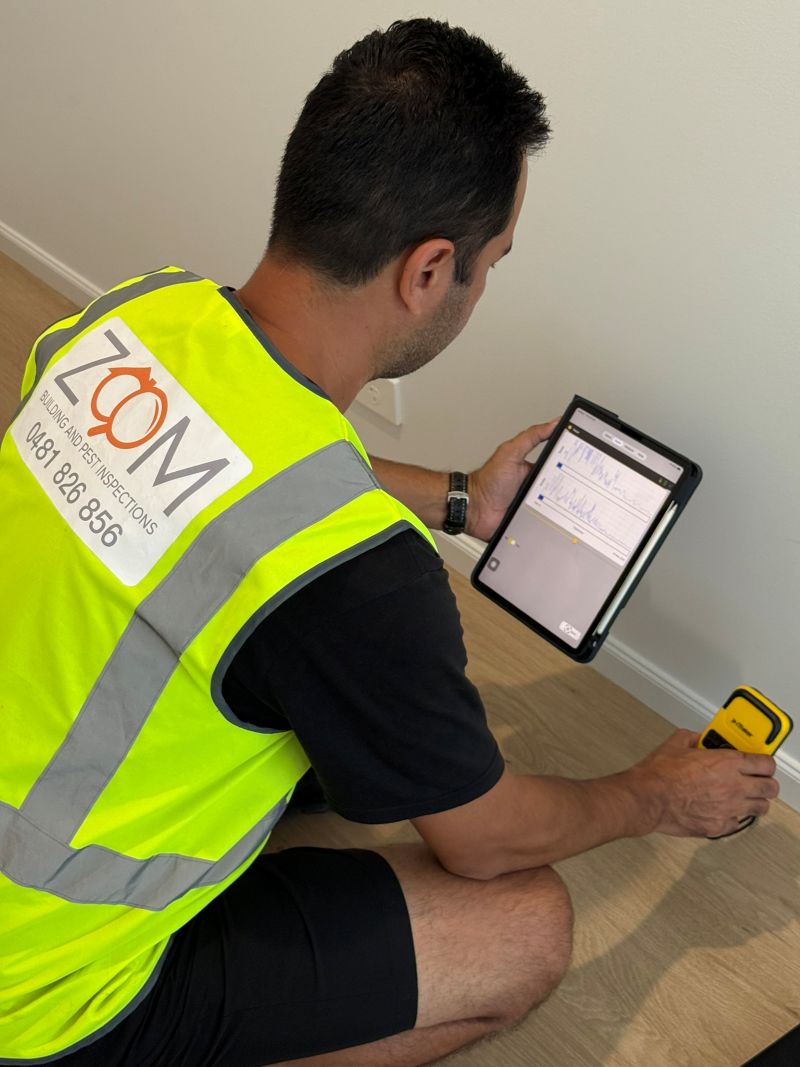
A building inspection is a detailed assessment of a property’s structural integrity and overall condition. Conducted by a licensed professional, the inspection is designed to uncover defects, safety hazards, and maintenance issues that could pose future risks. Building inspections commonly cover a broad range of elements, including roofing, ceilings, internal and external walls, flooring, windows, and doors.
Inspectors look for signs of wear and tear, poor construction, water damage, rising damp, and other structural concerns. Foundations, subfloor spaces, and load-bearing elements are also thoroughly assessed. Although building inspections do not involve invasive techniques, they are comprehensive enough to provide a clear snapshot of a property’s health. Basic checks of plumbing and electrical systems are often included, but more in-depth trade inspections may be required for full compliance. Overall, the aim is to provide potential buyers, sellers, or property owners with an honest evaluation of the building’s current state and any foreseeable problems.
What Is a Pest Inspection?
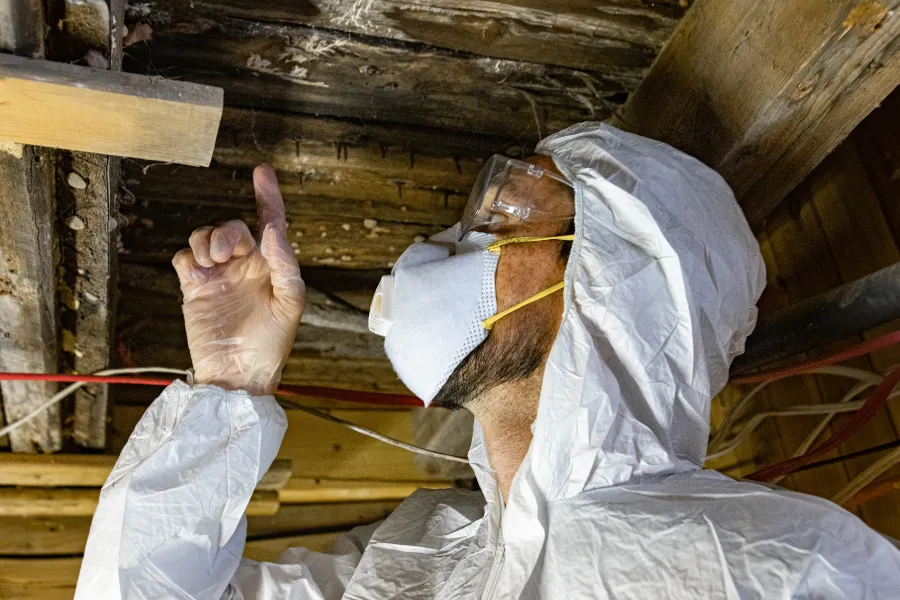
A pest inspection specifically targets the presence or risk of pest infestations in a property. The primary focus is on timber pests, especially termites (also known as white ants), which can cause severe and costly structural damage. Pest inspectors are trained to detect live activity, past infestations, and damage caused by a variety of pests, including rodents, wood borers, and other invasive species.
During the inspection, professionals check for mud tubes, frass, nesting evidence, gnawed materials, and any tell-tale signs that indicate pest activity. They also examine the roof void, subfloor, garden areas, fences, and other access points for vulnerabilities. Unlike building inspections, pest inspections are tailored to look for biological threats rather than construction issues. By identifying entry points and environmental factors that may attract pests, inspectors offer practical recommendations for prevention and treatment.
Can One Inspection Cover Both?
While there is a small overlap between building and pest inspections, they serve different purposes and require distinct skill sets. Building inspectors focus on structural and safety-related issues, whereas pest inspectors are concerned with biological threats and their impact on the property. Some inspectors are dual-licensed, meaning they hold qualifications for both types of assessments. These professionals can conduct combined inspections, offering the convenience of a single visit and a consolidated report.
However, not all building inspectors are qualified to perform pest inspections, and vice versa. Engaging a dual-licensed expert or arranging two separate inspections ensures that each aspect is assessed with the necessary expertise. Regardless of the approach, it’s crucial to confirm that the inspectors are fully licensed and insured in accordance with state regulations.
Why Both Inspections Matter
Having both a building and a pest inspection provides a more complete understanding of a property’s condition. Structural integrity and pest activity are two separate but equally important concerns. A building may appear sound but still be infested with termites, slowly eroding its timber framework. Conversely, a pest-free property may have underlying structural problems such as cracked foundations or water ingress.
From a financial standpoint, dual inspections offer significant advantages. The findings from both reports can be used to negotiate better terms with sellers or to request repairs before settlement. If you’re selling, these reports can help you justify your asking price or make pre-sale repairs to increase buyer confidence.
Most importantly, combined inspections give peace of mind. Knowing the full extent of any potential issues, whether structural or pest-related, allows you to make informed decisions, avoid costly surprises, and safeguard your investment.
Case Examples
Consider a buyer interested in a charming older timber home. A building inspection may confirm the house is structurally sound, but without a pest inspection, it may miss active termite colonies beneath the floorboards. In another scenario, a recently renovated home might look flawless on the surface, but a building inspection could uncover improperly installed roofing or compromised subfloors.
In rural or coastal areas, rodent infestations and moisture issues are more common. Without a pest inspection, signs of infestation might go unnoticed, leading to long-term health risks or property damage. By contrast, buyers who invest in both inspections are better equipped to identify red flags, avoid overpaying, and make smarter property choices.
When One Inspection Might Suffice
There are limited situations where a single inspection might be acceptable, although this depends on the context and the condition of the property. For example, newly built homes under warranty or those with recent inspection reports may not require both services immediately. However, even in these cases, a pest inspection can provide added assurance, especially if the home is located in a termite-prone area.
Another exception could be properties with active pest control contracts or termite protection systems already in place. These often come with warranties and require regular professional checks, reducing the urgency for a new pest inspection. However, no single report can replace the breadth of information provided by both a building and a pest inspection.
What to Expect from Combined Inspections
A combined inspection typically begins with scheduling a convenient time for both assessments to be conducted simultaneously. Property owners are usually asked to provide access to key areas such as the roof space, subfloor, and external structures. The inspection itself takes a few hours, depending on the size and complexity of the property.
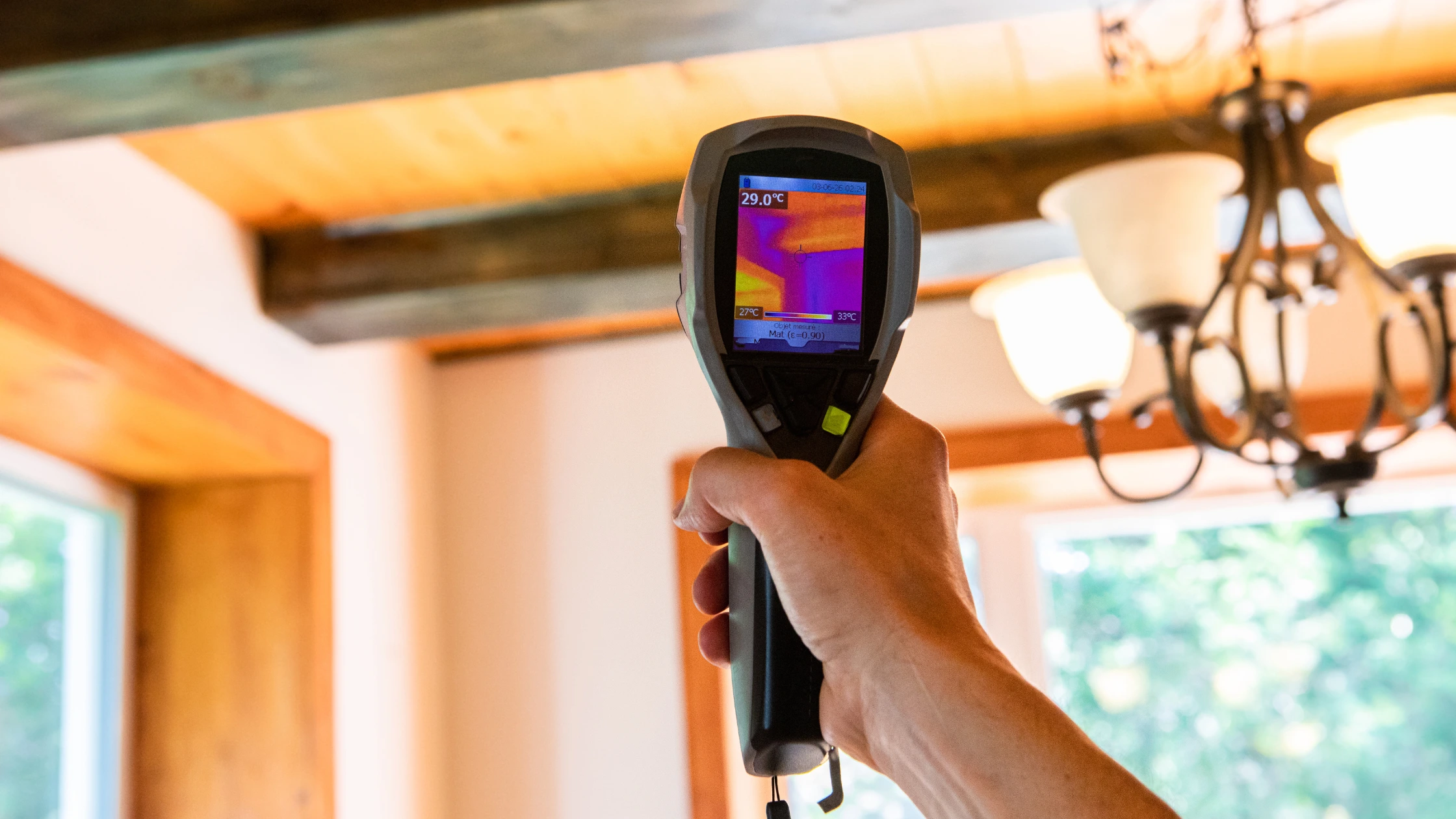
During the visit, the inspector examines structural elements, internal and external areas, signs of wear, pest activity, and potential entry points. Specialised tools such as moisture meters, thermal imaging cameras, and sounding devices may be used to detect hidden issues.
Within 24 hours, a detailed report is delivered. It outlines all findings, prioritises defects or infestations by severity, and includes photographs and recommendations. This report can be used for negotiations, repair planning, or future maintenance.
Choosing the Right Inspector
Selecting the right inspector is essential for accurate, reliable results. In Australia, inspectors must be licensed and operate in accordance with relevant state or territory regulations. It’s important to choose professionals who carry appropriate insurance and have experience with the type of property being inspected.
Ask potential inspectors about their qualifications, the scope of their inspection, and whether they are dual-licensed if you prefer a combined service. Sample reports, online reviews, and referrals can also help ensure you’re hiring someone with a strong reputation for thoroughness and clarity.
At Zoom BPI, our dual-licensed inspectors are fully trained to provide thorough building and pest inspections in one seamless process. We ensure every inspection meets Australian standards and delivers reliable insights tailored to your property’s needs.
Summary: Do You Need Both?
In nearly all cases, yes, you do need both a building inspection and a pest inspection. These inspections provide different insights, and together, they form a complete picture of the property’s condition. Structural issues and pest damage are often unrelated but equally serious. By identifying both, you can take proactive steps to address problems before they escalate.
For buyers, dual inspections provide a solid basis for negotiation and help avoid purchasing a property with hidden risks. For sellers, they offer an opportunity to make repairs and present the property in the best possible light. And for current homeowners, regular inspections help with maintenance planning and early detection of issues.
Final Thoughts
A building inspection assesses the safety, structure, and integrity of a property. A pest inspection identifies current or past infestations that can affect the structure. Relying on one without the other can leave you exposed to costly surprises.
Combining both inspections is not just about ticking boxes; it’s about making smart, informed decisions that protect your financial future. Whether you’re buying, selling, or simply maintaining your property, investing in both services is a sensible, proactive step toward ensuring peace of mind and long-term value.
If you’re unsure where to begin, consider contacting a licensed, experienced inspector in your area to discuss a combined inspection. It’s a small cost for a big return: clarity, confidence, and control over one of life’s biggest investments.
Frequently Asked Questions
What Others Are Reading:


Our Services
Get A Free Quote
Contact us today for a free, no-obligation quote on your building and pest inspection.