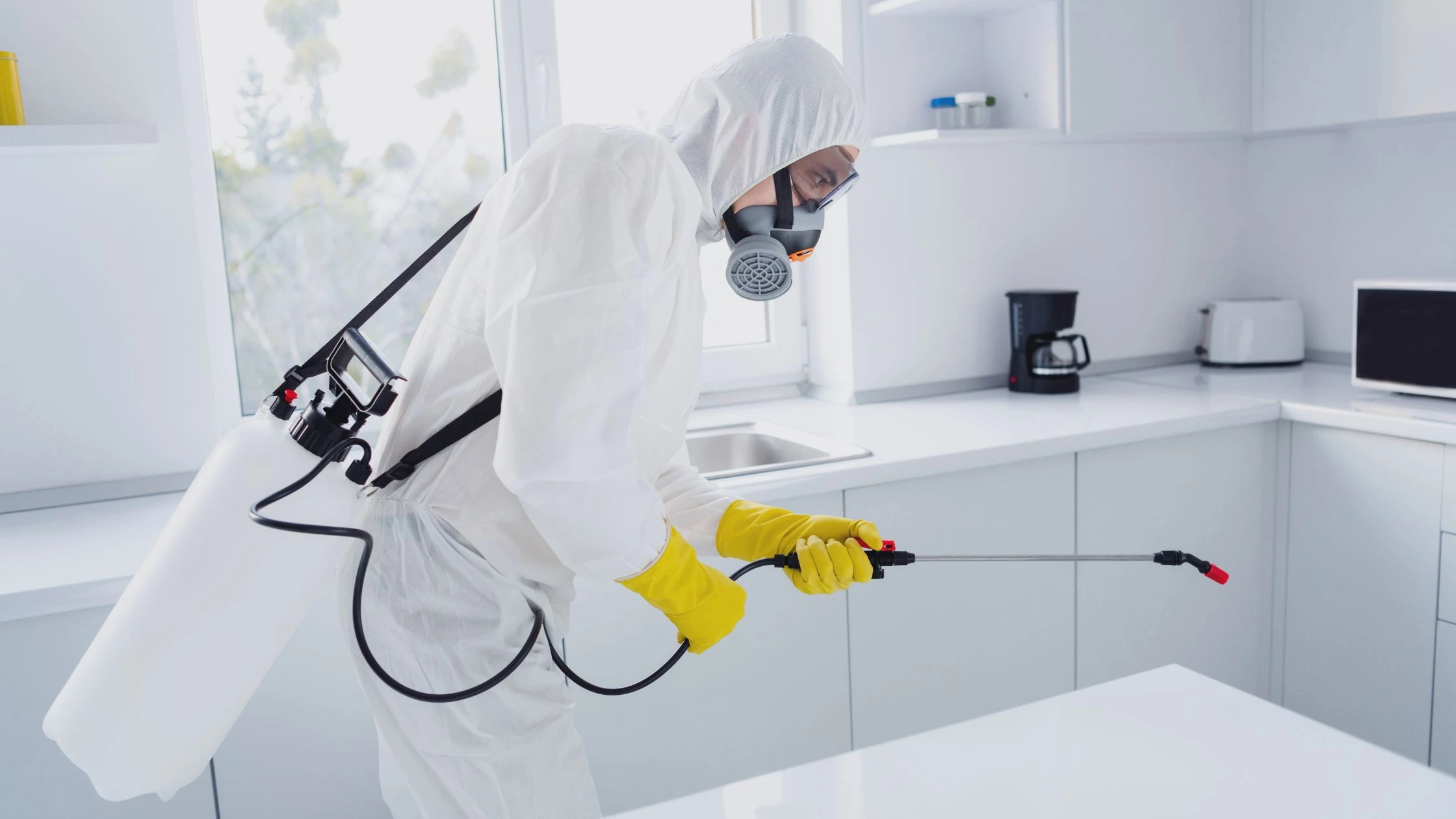
Brisbane’s older homes offer a glimpse into the city’s architectural past, from Queenslanders to Federation styles and post-war residences. These homes boast character, craftsmanship, and often spacious layouts, unlike many modern builds. However, owning or purchasing an older home in Brisbane also means dealing with a unique set of property issues. Many of these challenges arise due to the age of the construction, local weather conditions, and changes in building standards over time. At Zoom BPI, we understand the particular challenges faced by owners and buyers of older Brisbane properties. Through comprehensive Pre-Purchase Building Inspections customised to the local environment, we help identify hidden defects and maintenance needs before they become costly problems.
For homeowners, renovators, and prospective buyers, understanding these common problems is crucial. Identifying issues early through Condition Reports can save money, protect safety, and ensure your home remains a solid investment for years to come. This guide covers the most frequent problems found in Brisbane’s older properties, their causes, and practical ways to address them.
Structural Problems in Older Brisbane Homes
Foundation and Slab Movement
One of the most common and serious concerns with older Brisbane homes relates to foundation movement. Many Queensland homes built in the mid-20th century or earlier rest on slab-on-ground foundations. Brisbane’s soil conditions, which include expansive clay, combined with the city’s distinct wet and dry seasons, lead to ground movement. When the soil beneath the slab shrinks during dry spells and swells after heavy rains, the slab can shift or crack.
Common signs include:
- Cracked walls or ceilings, particularly around windows and door frames
- Uneven or sloping floors can cause doors or windows to stick.
- Separation between walls and ceilings or between walls and floors
If left unattended, foundation movement can compromise the entire building’s structural integrity. Repairing slab movement can be costly, involving underpinning or soil stabilisation, so early detection is vital. At Zoom BPI, our inspectors look for signs such as cracks in walls, uneven floors, and door or window misalignment to assess foundation movement early. Early detection through our Pre-Purchase Building Inspections helps homeowners plan necessary repairs and minimise costly structural damage.
Timber Frame Deterioration and Rot
Timber framing was a predominant construction method in older Brisbane homes, especially Queenslanders. While timber is a durable natural material, it requires protection from moisture and pests. Over time, timber can deteriorate due to exposure to Brisbane’s humid subtropical climate. Excess moisture from rain, poor drainage, or plumbing leaks leads to rot and decay.
Other contributors to timber damage include:
Termite infestations (discussed in detail below)
Mould growth is encouraged by high humidity.
Fungal decay in damp, poorly ventilated areas
Damaged timber can cause sagging floors, weakened walls, and unsafe structural elements. Owners should inspect timber components regularly and treat or replace damaged sections as needed.
Termite Infestations in Brisbane’s Climate
Termites pose a significant threat to older homes in Brisbane, where the climate provides ideal conditions for their year-round growth and survival. Many older homes have untreated or poorly protected timber structures that attract subterranean termites, which tunnel through wood and soil unseen.
Common termite signs include:
Mud tubes on exterior walls, foundations, or inside subfloors
Hollow or damaged timber when tapped
Presence of discarded wings near windows or doors
Because termite damage is often hidden within walls or under floors, a thorough termite inspection is essential before buying or renovating. Early detection allows treatment plans to be put in place, preventing extensive damage that can affect a home’s stability and value.
Dampness and Rising Damp in Older Properties
Rising Damp Explained
Rising damp occurs when ground moisture is drawn up through porous building materials such as brick or sandstone walls. This problem is common in homes constructed before modern damp-proof courses were standard. The moisture leaves visible “tide marks” on walls, peeling paint, crumbling plaster, and a persistent damp odour.
General Dampness and Mould Growth
Leaky roofs, gutters blocked with debris, or faulty plumbing contribute to moisture intrusion. Brisbane’s high humidity worsens these issues, encouraging mould growth inside homes, which presents health risks, especially for people with respiratory issues.
Moisture-related problems can lead to:
- Damage to internal finishes such as plaster and paint
- Wood rot and timber decay
- Poor indoor air quality
Remediation often involves fixing leaks, installing or repairing damp-proof courses, improving ventilation, and treating mould-affected areas.
At Zoom BPI, our inspectors evaluate dampness problems thoroughly, including moisture mapping and checking for mould hotspots, guiding homeowners on effective moisture management and repair strategies through detailed Condition Reports.
Outdated Electrical Systems and Safety Risks
Many older homes in Brisbane still have their original electrical wiring, which may not meet today’s stringent safety standards. Wiring methods such as knob-and-tube or aluminium wiring, and old fuse boards, present fire hazards and may not safely handle the load of modern electrical appliances.
Issues often found include:
Flickering lights and tripped breakers indicate overloaded circuits
Limited power points requiring frequent use of extension cords
Lack of residual current devices (RCDs) that provide added electrical safety
Upgrading to a modern switchboard with circuit breakers and adding sufficient power points improves safety and functionality. Licensed electricians should conduct full electrical inspections and necessary upgrades.
Presence of Asbestos in Building Materials
Asbestos was widely used in residential construction until the late 1980s for its fire resistance and insulating properties. In Brisbane, many older homes contain asbestos materials in roofing, cladding, ceiling tiles, and pipe lagging.
Common asbestos materials include:
Corrugated fibro sheets on roofs and walls
Artex or textured ceiling coatings
Backing boards and vinyl floor tiles
Asbestos becomes hazardous when disturbed, releasing fibres that cause serious respiratory illnesses. If you suspect asbestos in your home, hire licensed professionals to conduct testing and removal safely.
Conclusion
Owning an older home in Brisbane brings both rewards and challenges. From foundation issues and termite infestations to outdated electrical systems and heritage restrictions, the common problems can be complex but manageable with knowledge and professional support. Addressing these issues early through inspections, maintenance, and sensible upgrades will protect your investment, improve safety, and enhance your living experience. Brisbane’s older homes hold great value, but a proactive approach to their unique challenges is essential for long-term enjoyment and preservation.
Frequently Asked Questions
What Others Are Reading:

Our Services
Get A Free Quote
Contact us today for a free, no-obligation quote on your building and pest inspection.