Do You Need a Building Inspection in a Flood-Prone Suburb of Brisbane?
Buying property in Brisbane can be exciting, but it also comes with risks, especially if you are looking in a flood-prone suburb. With Queensland’s history of heavy rainfall and flash flooding, purchasing a home in these areas requires extra caution. A building inspection is one of the most effective ways to safeguard your investment, ensuring you are fully aware of the property’s condition before making a commitment. At Zoom BPI we specialise in detailed building inspections customised to flood-affected areas, ensuring that potential homeowners have all the information needed to make an informed decision.
Why Flood-Prone Areas in Brisbane Require Extra Attention
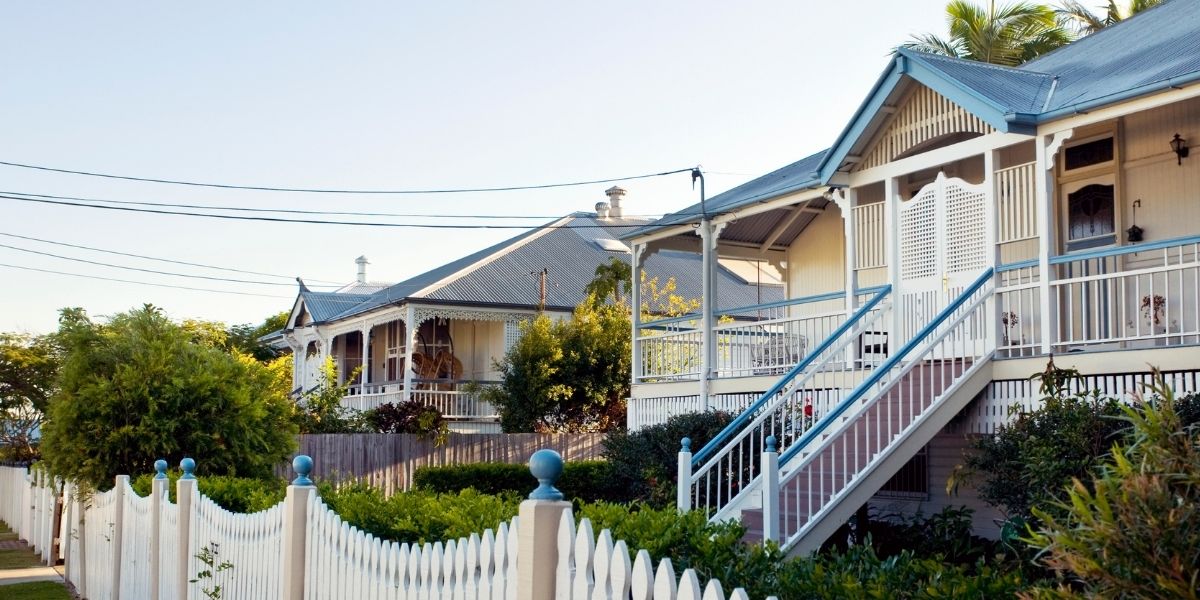
Some of the most severe floods that have occurred in Australian history took place in Brisbane. Such floods have led to massive destruction of property, both commercial and homes, as well as infrastructure. Suburbs that are prone to flooding, such as those of Rocklea, Fairfield, West End, and Jindalee, have been exposed to risks for a long time, with several homes bearing their consequences both short-term and long-term. A property can also contain unseen damage even when the flood water has receded, so the naked eye would not notice these damages. The structural problems, water damage, and mould will remain and will affect the quality of the property and your health. These suburbs tend to allow floodwaters to penetrate the foundations, moving into the general structure of the building, plumbing and power. So, in the absence of a building inspection, there is a tangible chance to buy a house with some hidden damage, which may entail some additional costs in the future. When doing your due diligence, a professional building inspection by Zoom BPI can save you from these risks before they hit you down the line.
What a Building Inspection Can Reveal in a Flood-Prone Area
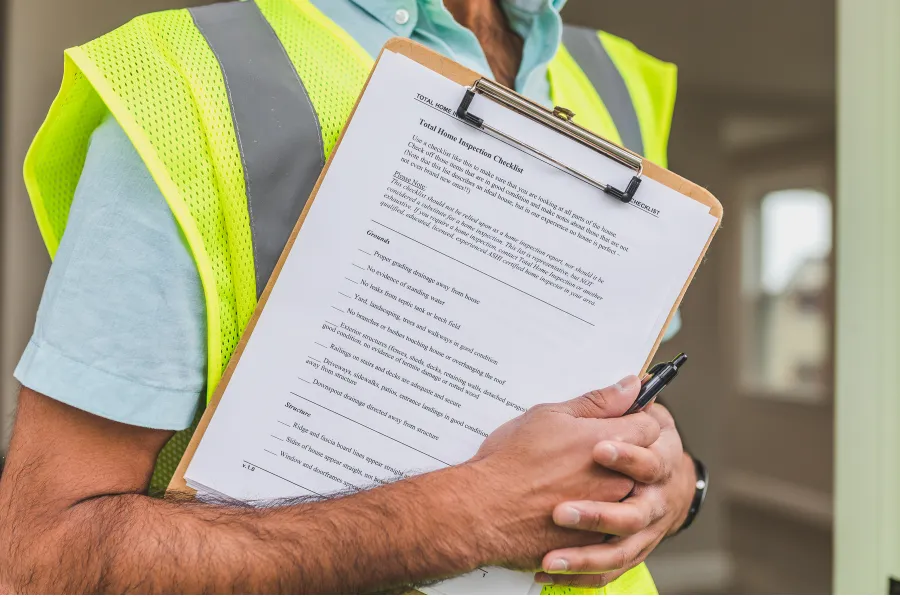
A building inspection is a thorough assessment of the property’s structure, safety, and overall condition. In flood-prone areas, inspectors place extra focus on damage caused by water, dampness, and mould. Here are some of the key issues an inspection can uncover:
Structural Weaknesses
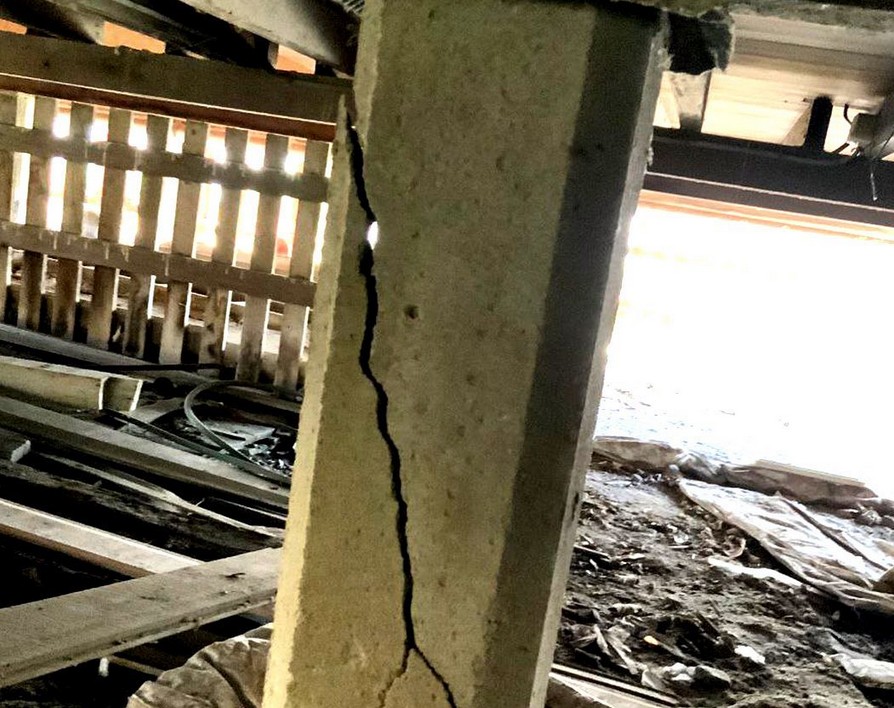
Floodwaters can undermine the foundations of a property. If the soil beneath the building shifts or erodes, cracks can appear in walls, ceilings, and flooring. A building inspection can identify these issues early, saving you from costly repairs later.
Moisture and Dampness
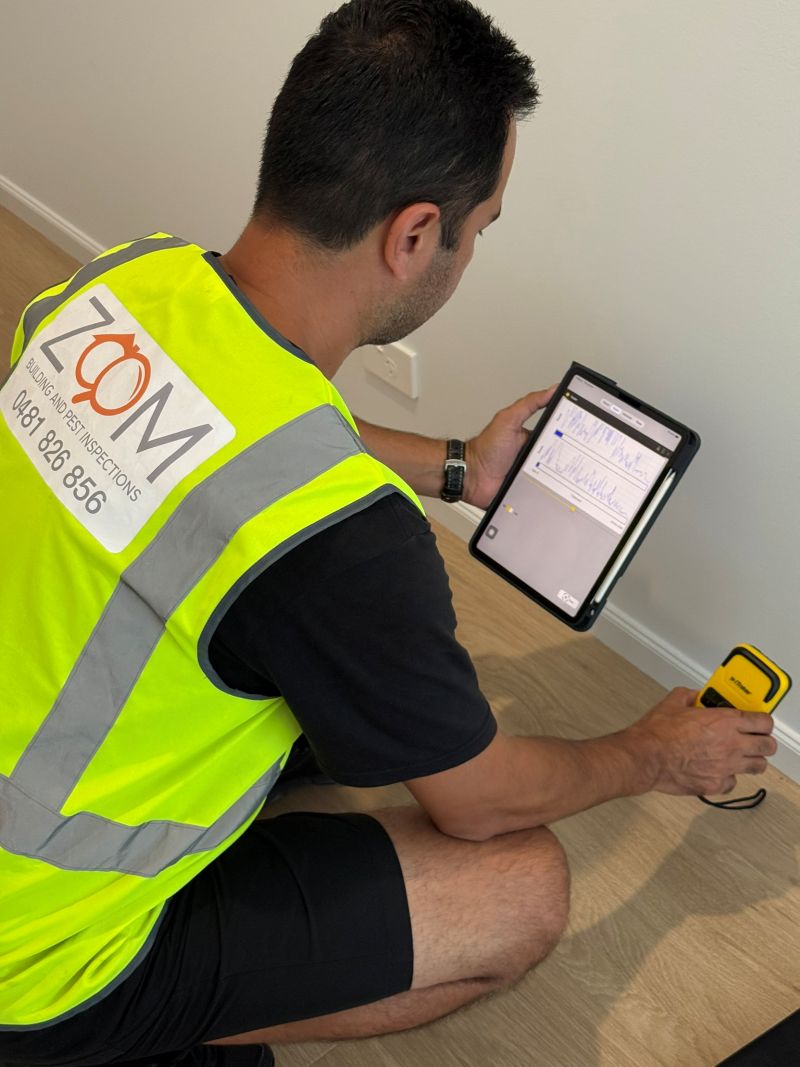
Persistent dampness from previous flooding can lead to rot, rust, and long-term deterioration of building materials. Inspectors use moisture metres and other tools to detect high moisture levels that may not be visible but could compromise the integrity of the home.
Mould Growth
Flooding creates ideal conditions for mould, which can spread behind walls and under floors. Mould not only damages materials but also poses serious health risks. A building inspection checks for visible signs of mould and the conditions that encourage its growth.
Electrical System Damage
If a property’s electrical wiring has been submerged during floods, it may be compromised and unsafe. Inspectors will assess the condition of electrical systems, checking for faults or damage that could pose fire or shock risks.
Plumbing and Drainage Issues
Flooding often puts pressure on drainage systems, leading to blockages or damage. A building inspection includes an assessment of plumbing and stormwater drainage to ensure it is functioning properly.
Pest Infestations
Flood-damaged homes can attract pests such as termites and rodents. Damp wood is particularly appealing to termites, and a thorough inspection ensures these issues are identified early.
The Benefits of a Building Inspection in Flood-Prone Suburbs
Protecting Your Investment
The best advantage of building inspection is that it assists in safeguarding your investment. By catching problems before they get bigger, you prevent having to deal with the long-term (and costly) repairs that may be necessary on other properties. A thorough inspection report will provide you with an accurate idea of how the property would be in reality, and you can go into the purchase with a complete idea of what it holds.
Negotiating Power
When there are defects in the inspection, you get a good bargaining chip. You can ask a seller to repair or even buy the building at a cheaper price with the knowledge that a building inspection report is in your possession. There is always the option of walking out of a deal completely in case the problems are too harsh.
Informed Decision Making
A home in a flood prone suburb does not always mean that you need to discard the idea. Certain properties can be redesigned or constructed to withstand floods and can be a safer option as an investment to you. A full service building inspection report will equip you with the information that you require to make a judgment on whether or not the property fits your demands, so that you make the right decision.
What to Expect During a Building Inspection
A qualified inspector will assess every accessible part of the property. In flood-prone suburbs, special attention is given to areas most affected by water exposure.
- Interior: Inspectors look for signs of dampness, cracks, mould, and pest infestations.
- Exterior: The outside of the property is checked for water damage, drainage issues, and entry points for pests.
- Roof Space: Roof timbers are assessed for water damage and potential structural weaknesses.
- Underfloor Areas: Basements and crawl spaces are examined for standing water, damp soil, and evidence of flooding.
- Perimeter: The land around the property is reviewed to assess how water may drain and whether landscaping contributes to flood risks.
Case Example: Buying in Rocklea
Take the example of a buyer keen on a house in the Rocklea suburb, which is among the most flood-stricken places in Brisbane. At first glance, the house looks well kept. A building inspection however shows moisture damage to the walls, mould build up in the roof void and evidence of movement of the foundation. With this knowledge, the buyer will have the choice of negotiating repair, reducing price of purchase and/or terminating the deal altogether.The buyer could have bought the house without doing an inspection, and then had tens of thousands of dollars in repairs to make later.
In rural or coastal areas, rodent infestations and moisture issues are more common. Without a pest inspection, signs of infestation might go unnoticed, leading to long-term health risks or property damage. By contrast, buyers who invest in both inspections are better equipped to identify red flags, avoid overpaying, and make smarter property choices.
How to Prepare for a Building Inspection
If you are serious about purchasing in a flood-prone area, take the following steps:
- Research the Flood History: Check Brisbane City Council’s flood maps to understand the property’s flood risk.
- Attend the Inspection: If possible, be present during the inspection so you can ask questions directly.
- Review the Report Thoroughly: Go through the findings carefully and seek clarification if needed.
- Use the Report Strategically: Whether for negotiation, repair planning, or insurance, make full use of the detailed insights provided.
Another exception could be properties with active pest control contracts or termite protection systems already in place. These often come with warranties and require regular professional checks, reducing the urgency for a new pest inspection. However, no single report can replace the breadth of information provided by both a building and a pest inspection.
Final Thoughts
If you are considering purchasing property in a flood-prone suburb of Brisbane, a building inspection is not just recommended, it is essential. Flooding leaves lasting damage that is not always obvious, and only a professional inspection can uncover the true condition of a property.
A building inspection helps you protect your investment, negotiate more effectively, and make a fully informed decision. While buying in a flood-prone suburb can be a smart financial move, it is only safe if you have all the facts about the property’s structural health.
Before you commit to a purchase, schedule a professional building inspection from Zoom BPI and give yourself the confidence that your investment is secure, even in areas prone to Brisbane’s unpredictable floods.
Frequently Asked Questions
What Others Are Reading:
Our Services
Get A Free Quote
Contact us today for a free, no-obligation quote on your building and pest inspection.