Can You Negotiate a House Price After a Building and Pest Inspection in QLD?
You’ve found the one. Your offer’s accepted, the contract’s signed, and then your building and pest inspection report lands in your inbox. Termite damage in the subfloor. A roof that’s seen better days. Now you’re wondering if you can go back to the seller and ask for a lower price.
In Queensland, the short answer is yes. Most standard contracts give you a short window to act on what the report finds. But there’s a right way to do it, and a few traps that catch buyers out every year.
Here’s how the building and pest condition works, when your report gives you real leverage, and how to use it to negotiate a fair price on your Brisbane property.
How the building and pest condition works in Queensland
Most Queensland homes sell on the standard REIQ contract. If you fill in an inspection date, the sale becomes conditional on you receiving a written building and pest inspection report you’re satisfied with.
Here’s what that means in practice:
- No date, no condition. If the inspection date is left blank, the clause doesn’t apply. Check this before you sign.
- You must act reasonably. If the report is unsatisfactory, you can end the contract and get your deposit back, but only for genuine reasons.
- Deadlines are strict. Your solicitor or conveyancer needs to give notice by 5 pm on the inspection date. If you don’t, the seller can terminate.
That window is where negotiation happens. The seller knows you can walk away, so both sides have a reason to talk.
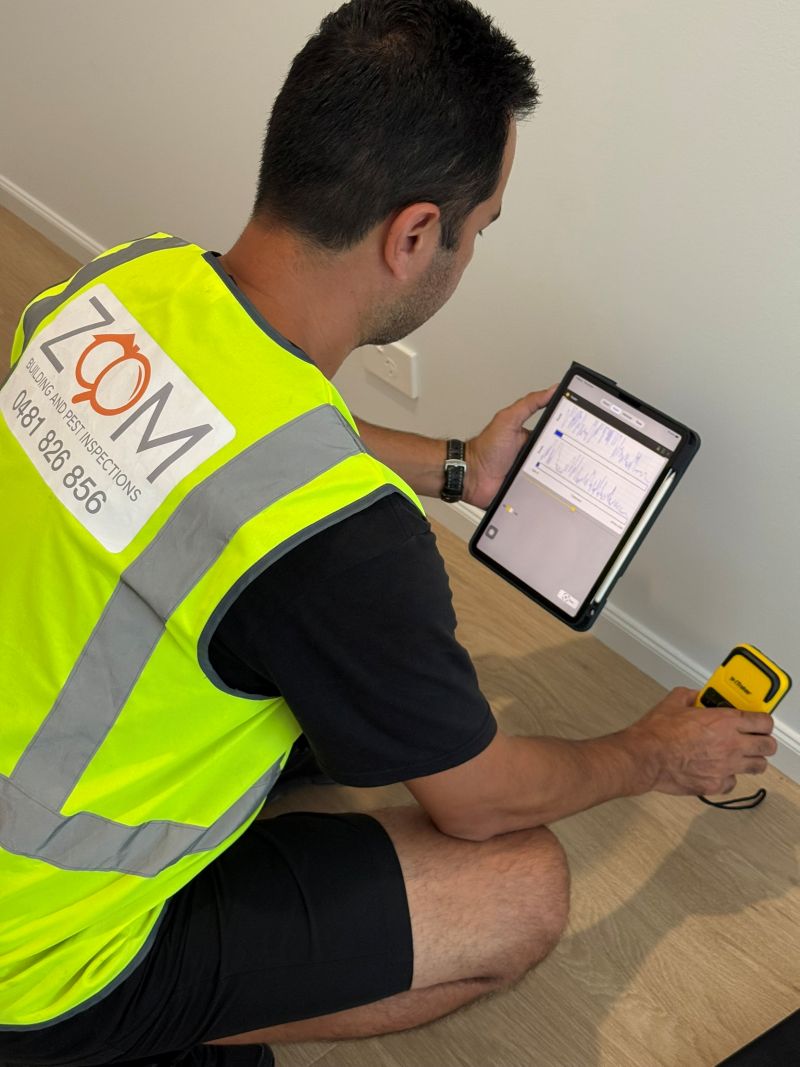
One more thing. In Queensland, the inspection must be done by a QBCC-licensed building inspector and a licensed pest inspector.
When a building inspection gives you real leverage
Not every finding is a bargaining chip. The REIQ has publicly flagged agents’ frustration with buyers who try to renegotiate over things like a cracked tile or a garage floor that needs a clean.
Issues that usually justify a conversation with the seller:
- Active termites or termite damage to structural timber
- Major structural defects, like significant cracking or movement
- Failing stumps, bearers or joists in older Queenslanders
- Roof problems such as rusted sheets, broken tiles or active leaks
- Water damage, rising damp, poor drainage or failing retaining walls
- Unsafe or non-compliant building work
Things that rarely move the price:
- Scuffed paint, worn carpet or chipped skirting boards
- Small maintenance jobs you could fix in a weekend
- Anything obvious when you walked through the open home
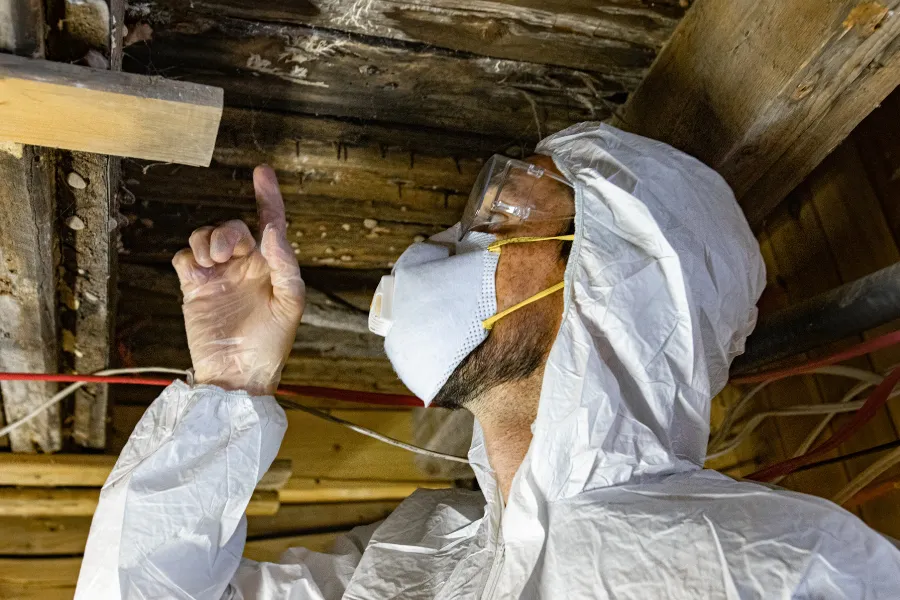
Brisbane’s humidity, summer storms and timber homes mean termite and moisture issues show up in reports often. Sellers find these hard to argue with. If you’re unsure what a termite finding means, our guide on termite risk in your inspection report explains it in plain English.
How to negotiate a house price after a building and pest inspection
Once your report is in, move quickly but calmly. Here’s a simple process.
1. Read the full report, not just the summary. Look at where each defect is, how serious it is, and what the inspector recommends. If something’s unclear, call your inspector. A good one will happily explain whether an issue is major, minor,r or just maintenance.
2. Get a repair quote.s A licensed tradie’s written quote carries far more weight than a guess. If the roof needs replacing or termite damage needs repair, get the real number. Our article on how roof inspection issues affect property prices shows why this matters.
3. Decide what you’re asking for. You’ve generally got three options:
- A price reduction
- The seller fixing the issue before settlement
- A credit or adjustment at settlement
A price reduction is often the cleanest option. If the seller does the repairs, you have little control over who does them or how well.
4. Go through your solicitor or conveyancer. Keep it in writing and keep it before the inspection deadline. If you need more time for quotes, ask for an extension early. Any agreed price change needs a formal amendment to the contract signed by both parties.
5. Talk to your lender.r A lower price can affect your finance approval. That’s why many buyers set their building and pest date earlier than their finance date, so there’s time to sort it out.
Cooling-off periods and auctions
Buyers often mix up the building and pest condition with the cooling-off period. They’re different.
In Queensland, most private sale contracts have a five-business-day cooling-off period. You can pull out for any reason, but you’ll forfeit 0.25% of the purchase price. On a $900,000 home, that’s $2,250.
Terminating under the building and pest condition, acting reasonably, means your deposit comes back in full. That’s why the inspection clause matters so much.
Auctions are a different story. There’s no cooling-off period and usually no building and pest condition. Once the hammer falls, you’ve bought the property as it stands. That’s why a pre-auction building inspection is so important. The negotiating happens before you bid, not after.
Frequently Asked Questions
Use your report to buy with confidence
A building and pest inspection isn’t just a box to tick. In Queensland, it’s one of the few points in the process where you have genuine leverage. Used well, it can save you thousands or stop you buying a property with serious problems.
Zoom BPI is an independent, licensed inspection company serving Brisbane, the Gold Coast and the Sunshine Coast. We’re not linked to any agent, so our reports tell you exactly what we find. Booking takes three easy steps, and your report arrives within 24 hours.
What Others Are Reading:


Our Services
Get A Free Quote
Contact us today for a free, no-obligation quote on your building and pest inspection.