How Hidden Termite Damage Can Turn Your Dream Home Into a Money Pit
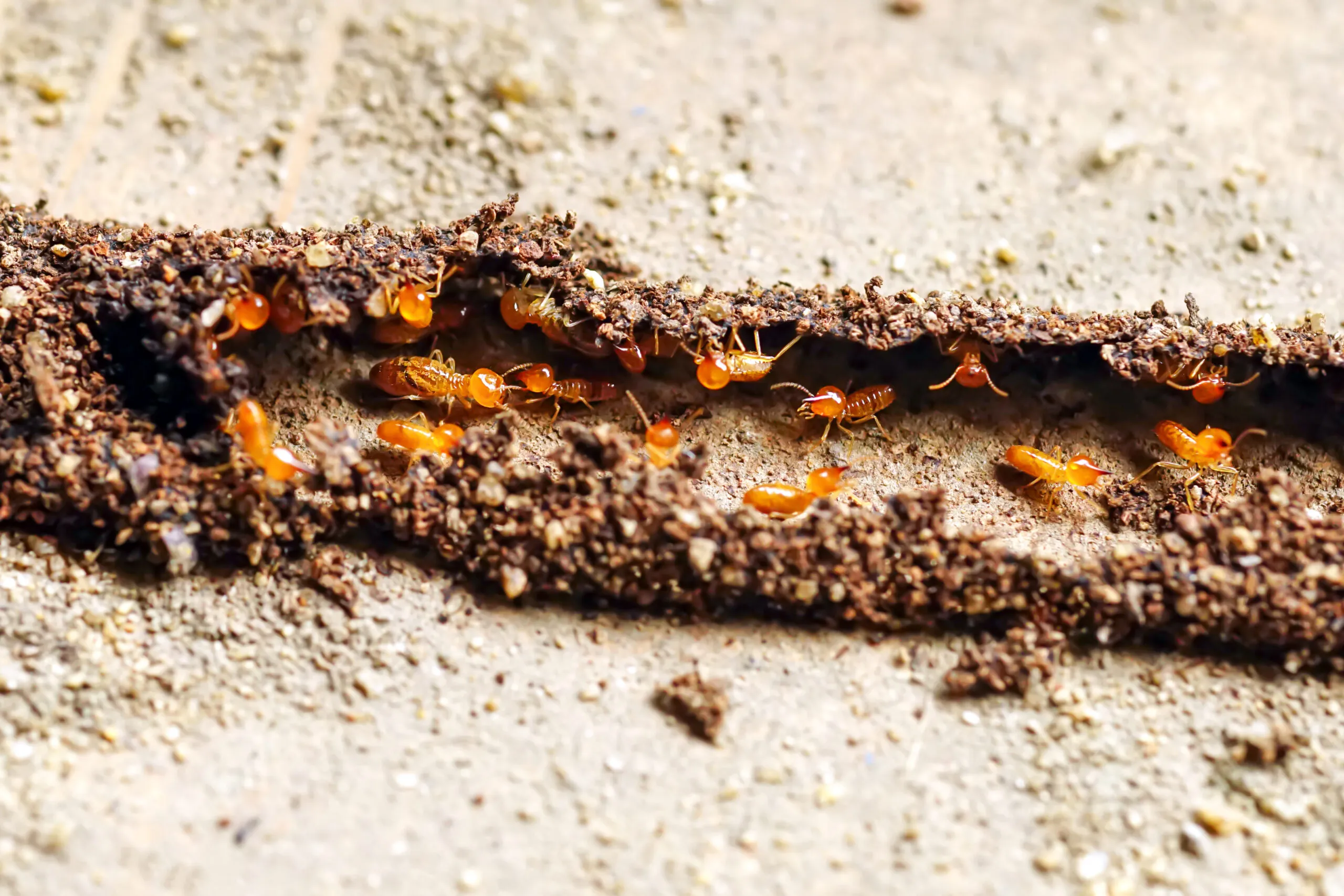
Termites are one of the most feared pest problems in Australia, and for good reason. These tiny, wood-destroying insects can silently wreak havoc on homes, especially those constructed with timber. Every year, thousands of Australian properties suffer from termite infestations that go undetected until the damage becomes extensive. What may start as a minor issue can quickly spiral into a structural nightmare, turning your dream home into a costly money pit. Understanding the risks associated with hidden termite damage and taking preventative measures is essential to safeguarding your investment and peace of mind. A termite inspection is the key to detecting infestations early and preventing significant damage. At Zoom BPI, we offer expert building and pest inspection services customised to detect and prevent termite damage before it becomes a serious issue.
Why Termite Damage Stays Hidden
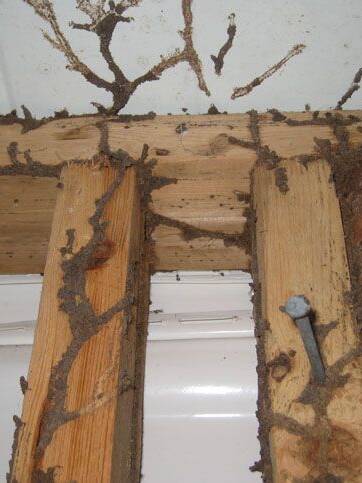
One of the most dangerous aspects of termite infestations is how easily they go unnoticed. Termites tend to hide in areas of a home that are not readily visible or accessible, such as subfloors, wall cavities, and roof timbers. These concealed spaces provide perfect environments for termites to thrive, especially when moisture levels are high. Because termites work silently and gradually, they can chew through wood for months or even years without any visible signs. This allows them to remain undetected while they cause severe structural deterioration. Most homeowners don’t realise there is a problem until visible symptoms appear, such as sagging floors, cracked walls, or doors and windows that no longer shut properly. These symptoms often point to damage that has already compromised the integrity of the building. In many cases, the only signs are subtle, such as discarded wings, small mud tubes on walls, or faint tapping noises in the walls at night. Unfortunately, by the time these signs are evident, the damage may already be extensive. This silent destruction is what makes routine termite inspections so vital to home maintenance and long-term property value.
Financial Impact of Termite Infestations
The financial toll of termite damage can be severe. Repairing affected structural elements, like roof beams, floor joists, and wall studs, can cost thousands to tens of thousands of dollars. These repairs often require dismantling parts of the home, significantly increasing costs. Cosmetic damage, such as warped floors or bubbled paint, adds further expense. In cases of widespread infestation, pest control and long-term treatment systems must also be factored in.
The longer an infestation goes undetected, the greater the financial risk. Some homeowners discover termite issues only after a building inspection for a property sale, leading to unexpected delays and large repair bills. In extreme cases, entire sections of a home may need rebuilding, draining savings and even affecting mortgage or insurance eligibility. Proactively investing in regular inspections is far more cost-effective than reacting to full-scale damage.
The cost isn’t just monetary; it can also affect lifestyle and long-term financial planning. Money set aside for renovations, travel, or education may instead be used for emergency termite repairs. Additionally, securing financing or insurance for a termite-damaged home can be challenging, especially if a history of infestations is on record. Buyers may also require additional inspections or demand price reductions, which can further complicate property sales. This domino effect illustrates how a single untreated infestation can have long-reaching consequences for homeowners
Role of Pest Inspections
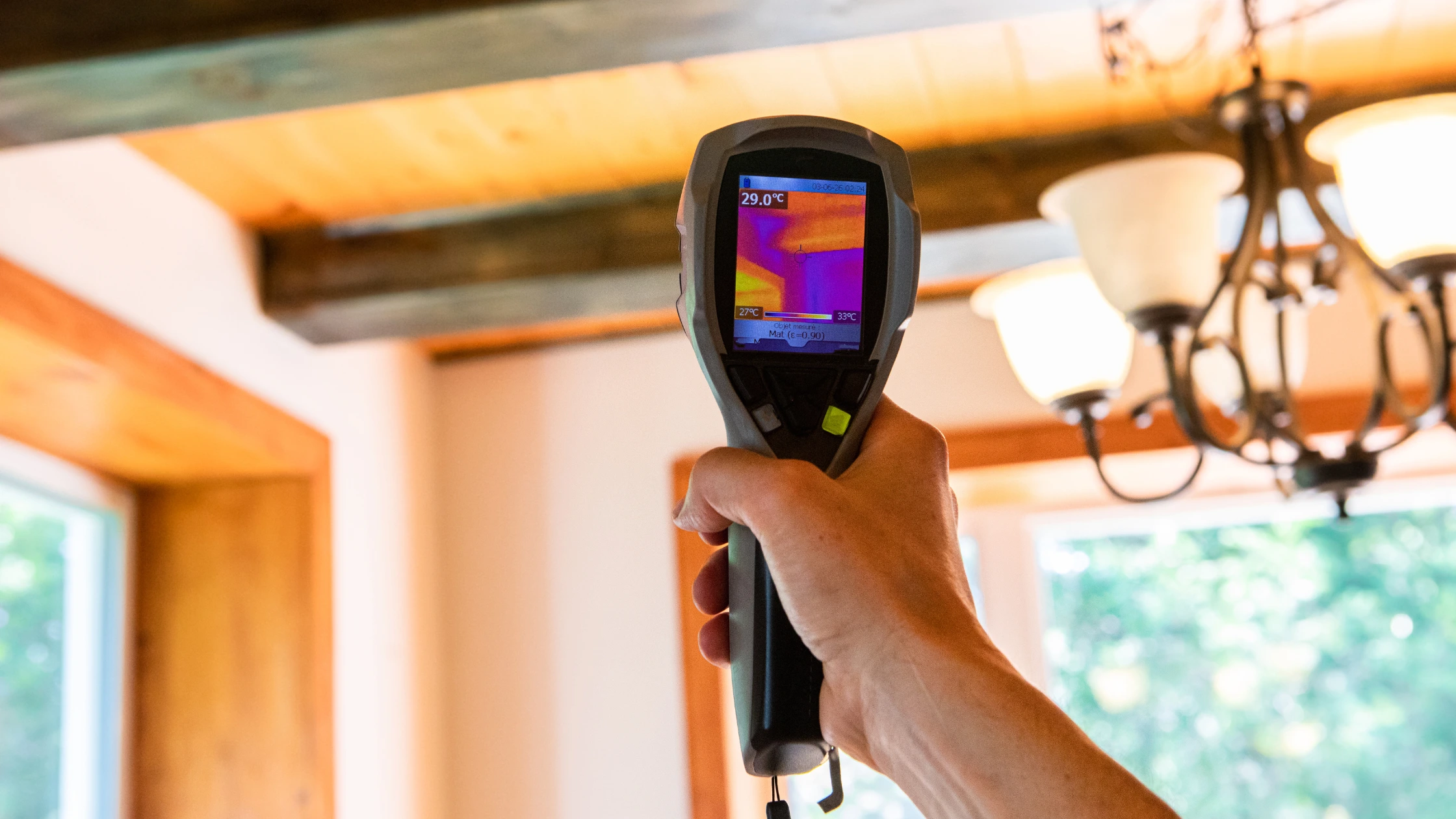
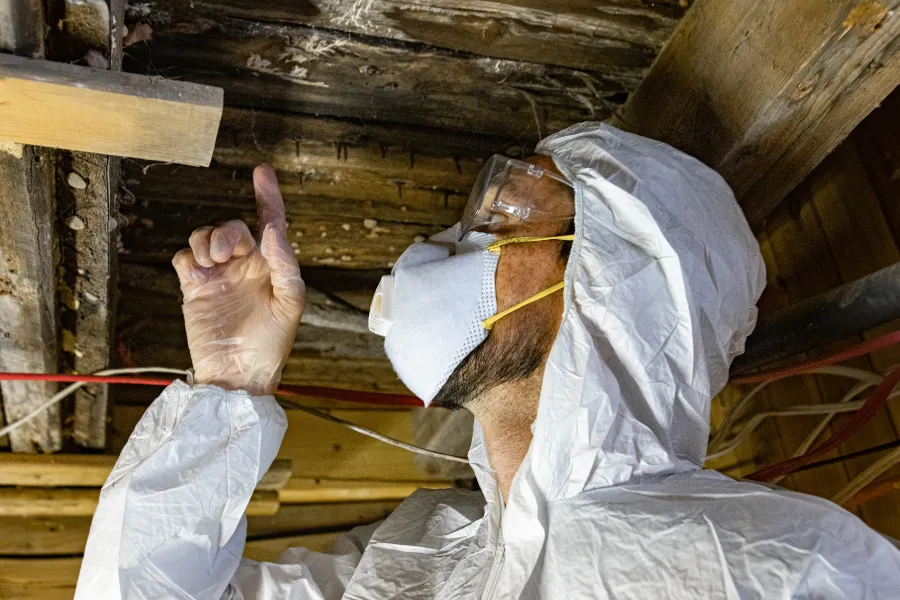
Pest inspections are key to early termite detection. Professional inspectors are trained to spot even the most subtle signs of infestation and use advanced tools to locate hidden termite activity. Moisture meters identify damp areas attractive to termites, while thermal imaging cameras detect heat signatures from colonies within walls or ceilings. Radar and motion sensors also help detect movement in inaccessible spaces.
These inspections are not just for detecting existing infestations; they also highlight vulnerabilities, such as areas with poor drainage or timber in contact with soil. By addressing these risk factors early, homeowners can create an environment that’s less attractive to termites. Regular pest inspections should be part of every homeowner’s maintenance routine, especially in areas prone to termite activity.
Another major benefit of professional pest inspections is the peace of mind they bring. Homeowners and buyers alike can make informed decisions based on the detailed reports provided after inspections. These documents can identify both current problems and potential future risks, enabling preventative maintenance and budget planning. For sellers, a clean inspection report adds credibility and increases buyer confidence, often facilitating a quicker sale. In all cases, inspections are a proactive way to protect property value and ensure long-term stability.
Worst-Case Scenarios
Worst-case scenarios from termite infestations can be devastating. Some homes have suffered such severe damage that they were effectively condemned, requiring rebuilding or major structural work. One Gold Coast home was pulled from the market after inspectors found over $50,000 worth of termite-related damage. Another Brisbane investment property needed $21,000 in repairs due to extensive hidden damage.
These horror stories are not rare and serve as reminders of what can happen without proactive termite management. Termites can render a home uninhabitable, jeopardising not only your finances but your safety. Regular inspections are a small price to pay compared to the emotional and financial stress of living through or recovering from a worst-case scenario.
In some cases, even after repairs are completed, homeowners are left with lingering fears about recurrence, leading to ongoing stress and heightened maintenance costs. The value of the property can also remain diminished due to its history, despite restoration. These long-term impacts highlight the importance of prevention and consistent monitoring. Investing in annual pest inspections and prompt treatment not only protects your property but also preserves its value and your peace of mind.
Conclusion
Hidden termite damage has the potential to turn your dream home into a financial disaster. The key to avoiding this fate lies in proactive prevention and early detection. Termite inspections are an affordable and effective way to protect your property from the silent but severe damage these pests can cause. With the help of advanced tools and experienced inspectors, even the most concealed termite activity can be identified and addressed before it leads to major repairs. At Zoom BPI, we are committed to helping homeowners protect their investments through comprehensive building and pest inspections. Don’t wait for the signs of termite damage to appear. Schedule a professional inspection today and gain peace of mind knowing your home is safe and secure.
Frequently Asked Questions
What Others Are Reading:


Our Services
Get A Free Quote
Contact us today for a free, no-obligation quote on your building and pest inspection.